Diagnostics and repair
Experienced technicians assess the appliance before recommending work. OEM parts are available on order, with the correct part identified for the model.
The care journal
Care routines, fixes and code explanations, written from ASKO’s own manuals and checked against the model they cover.
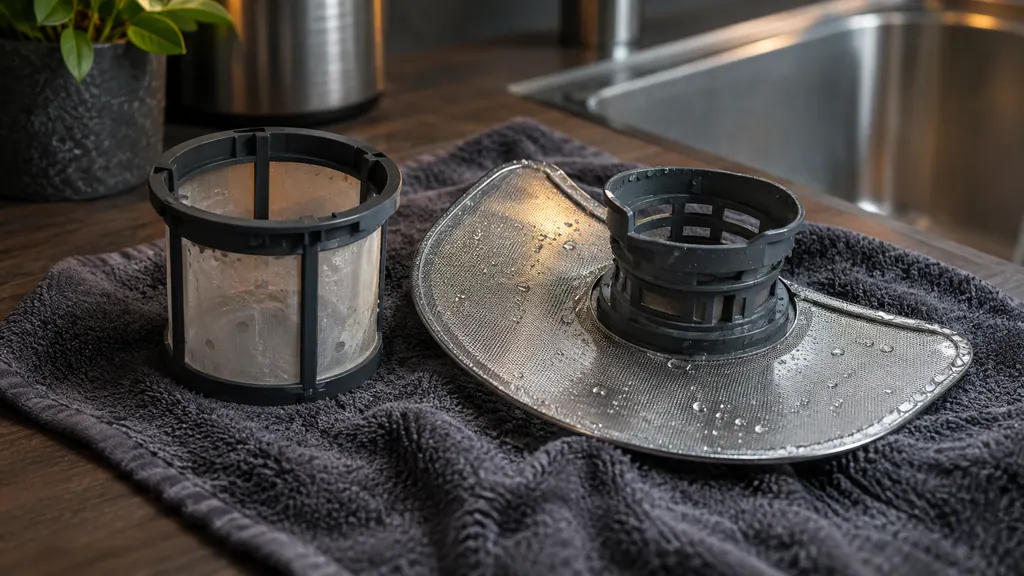
Lift out the coarse filter and empty it, unlock the fine filter with its ring and clean it, then lock both back in and check the pump stop. Here is the full routine, how often to do it and what dirty filters cause.
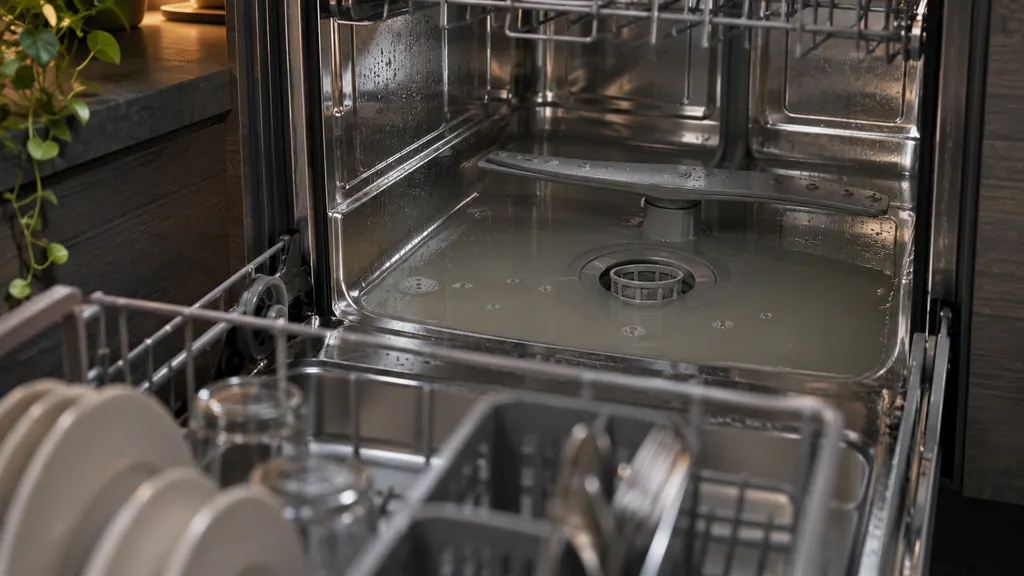
Water left above the filters usually means a clogged or loose filter, debris at the drain pump, a missing pump stop, or a kinked or blocked drain hose. Here is how to check each one, what F11 and F68 mean, and when to call.
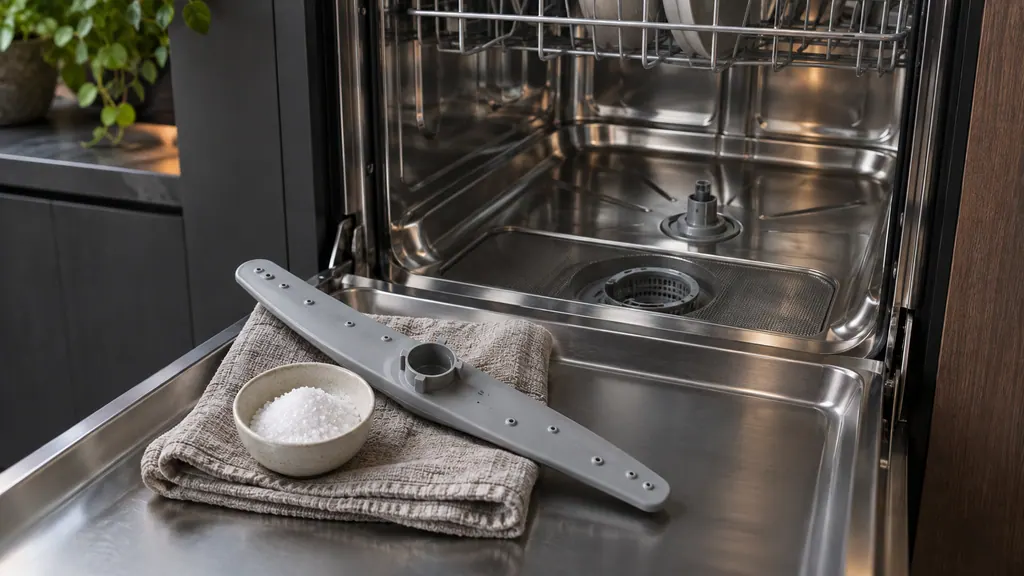
Clean an ASKO dishwasher by wiping the door, seal and panel, clearing the spray arms and running the empty Self-cleaning program with two tablespoons of citric acid when limescale builds up.
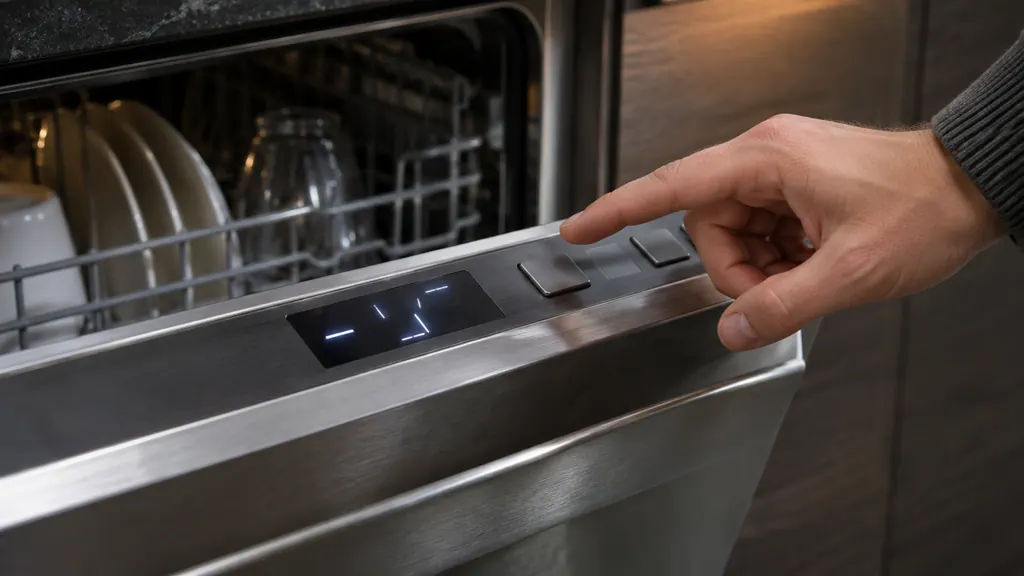
An ASKO dishwasher F code names the system that stopped the program. Write it down, do the one first action the manual gives for that code, close the water at once for F40 or F54, and stop when the code returns.
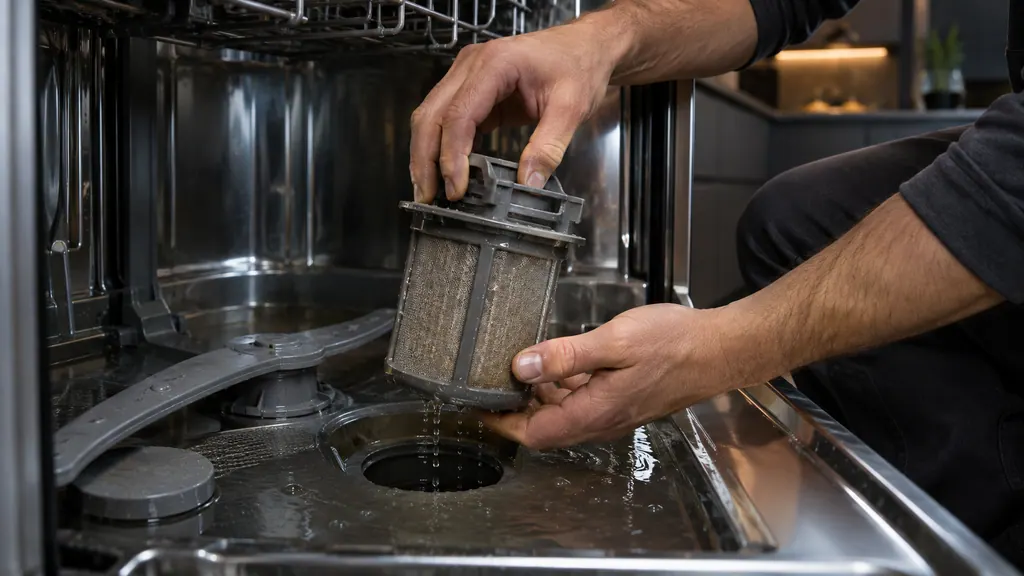
F11 and F68 both mean water didn't drain as it should. On the DBI786, F11 is the water outlet message and F68 points to the BLDC drain pump, and both get the same steps: filters, a test program, the pump, then the hose.
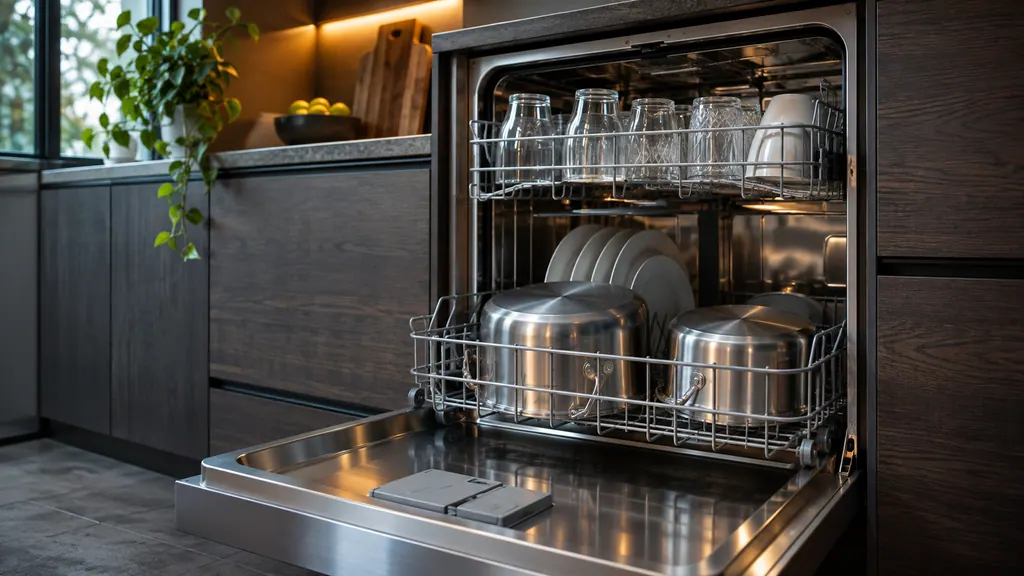
On the ASKO DBI786, Normal is the everyday program for a full load of normally soiled dishes. Use Intensive for greasy pans, Eco to save energy, Crystal for fragile glass, Quick pro or Light for lightly soiled loads, and Sanitize for baby bottles and cutting boards.
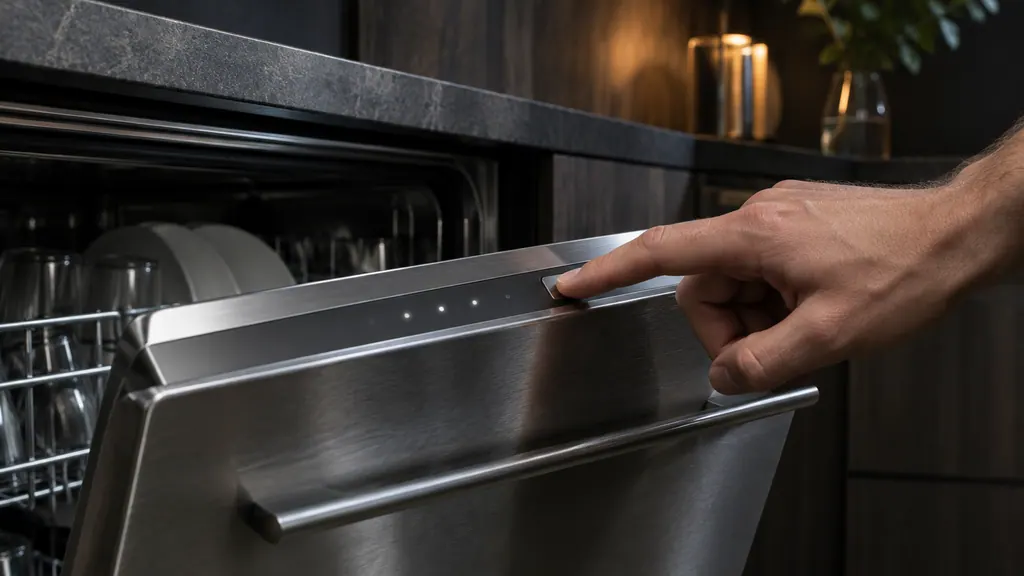
Most ASKO dishwashers that won't start were not closed within four seconds of pressing Start/Stop, have a child lock or Delayed start set, or have no power. Here is how to check each one and when to call.
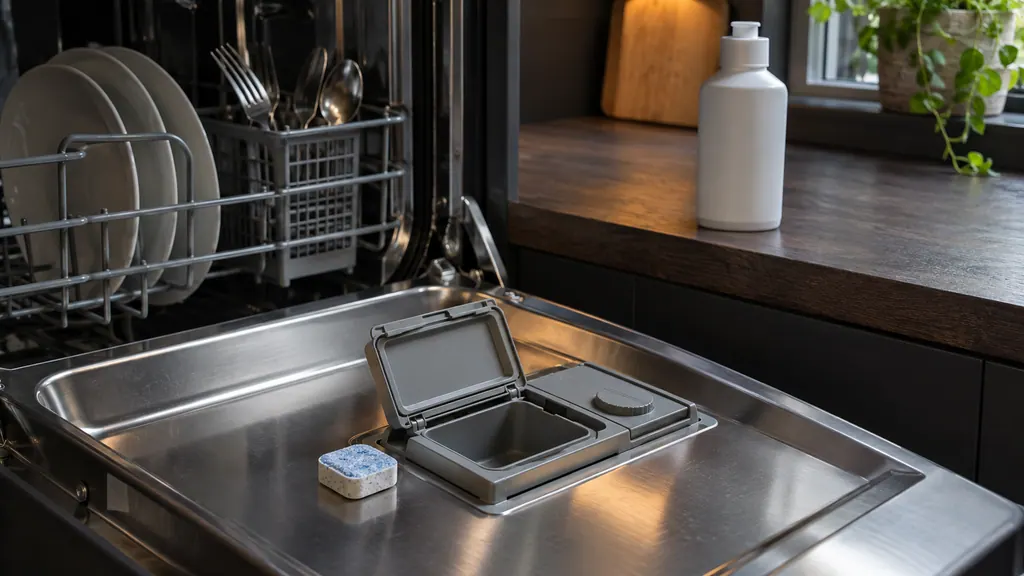
Use dishwasher detergent only, in the manual compartment or, on models with Auto dose, gel in the automatic compartment. Fill the rinse aid compartment to MAX and set the dosage from 0 to 5: raise it for water marks, lower it for a sticky film or streaks.
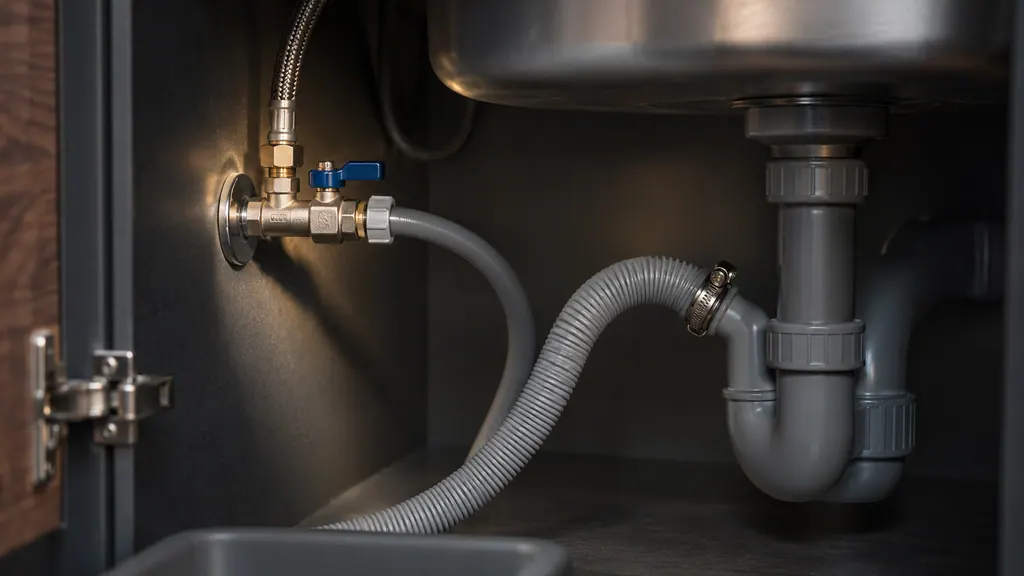
F10 and F12 point in opposite directions. On the DBI786, F10 is the first overfill stage, so you clear the drain pump. F12 means water isn't coming in as it should, so you check that the supply valve is open.
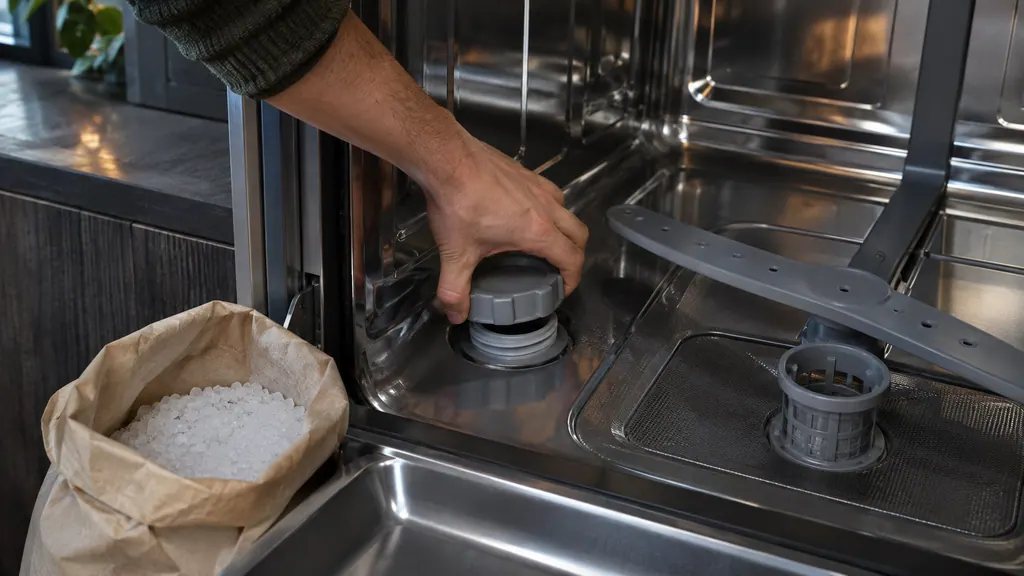
Find your water hardness, choose the matching 0–9 setting from ASKO's table, and keep the salt compartment filled with special dishwasher salt whenever the setting is 1 or higher.

When an ASKO heat-pump dryer stops heating or drying, the usual causes are clogged filters, a room that is too warm, cold or cramped, the wrong program, or laundry that wasn't spun enough. Here's how to check each one.
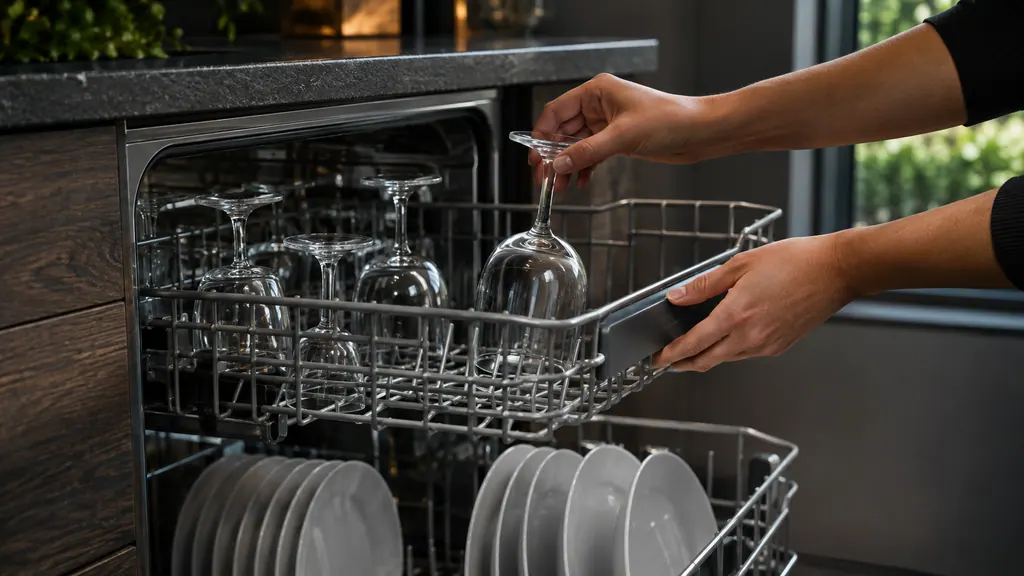
Glasses, cups and bowls go in the upper basket, plates, pots and the cutlery basket go in the lower one, and dirty sides face in and down. Here is where everything goes, how to fit big items and which dishes to keep out.
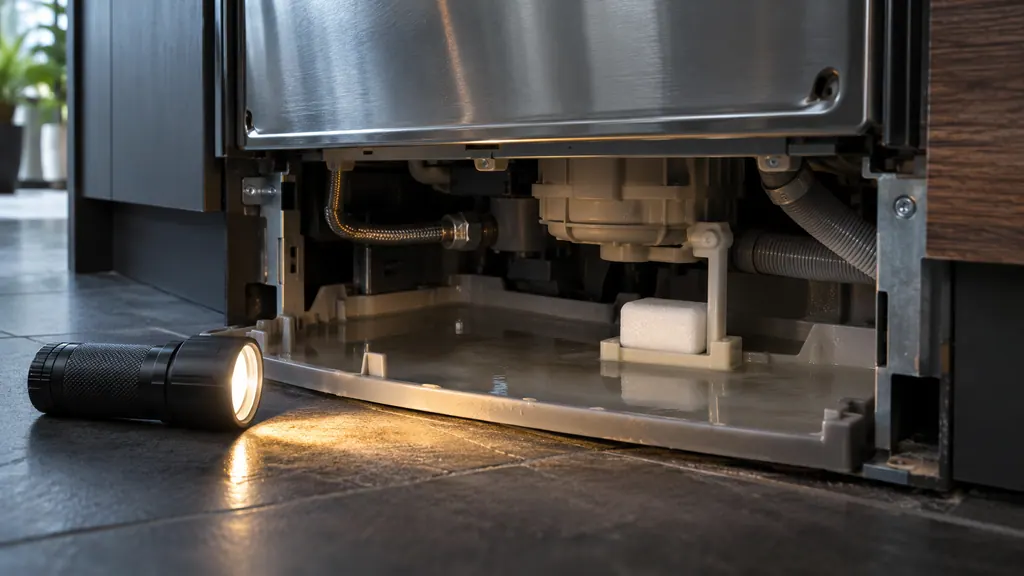
ASKO dishwashers have an overflow guard that pumps water out and shuts off the supply when the level climbs too high. F54 means it has triggered, and F40 reports inlet valve leakage. For both, close the water supply valve first and call for service.
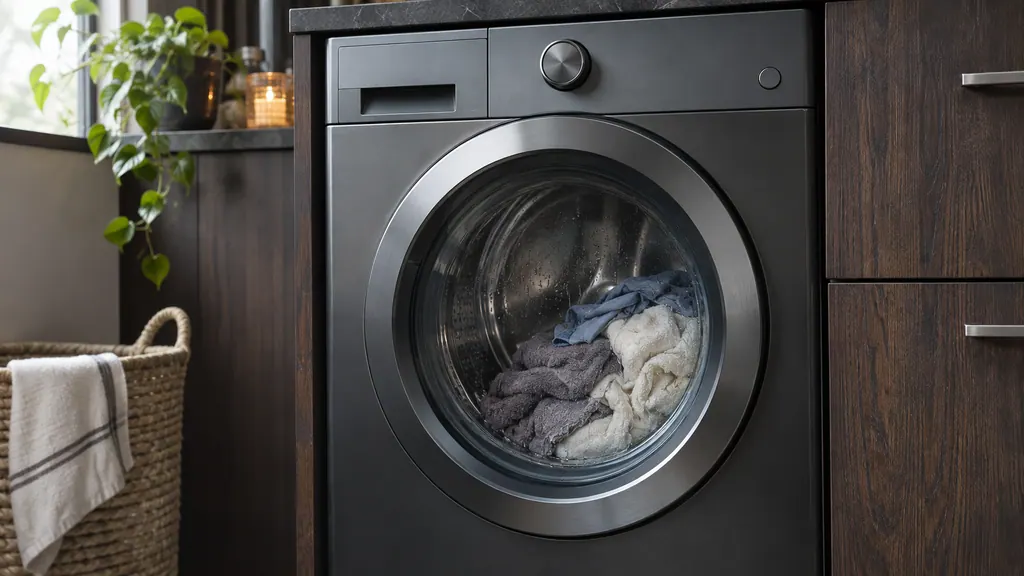
An ASKO washer that won't spin may have an unbalanced load, a spin setting turned off, or water that can't drain past a clogged pump filter. Here's how to check each one and when to call a technician.

On the ASKO WM86L, use Normal Cotton for everyday cotton loads up to a full drum. Most special programs take half a load, and Wool/Hand wash, Time, Steam Refresh and a few others take a quarter. The maximum weight is printed on the washer's rating plate.
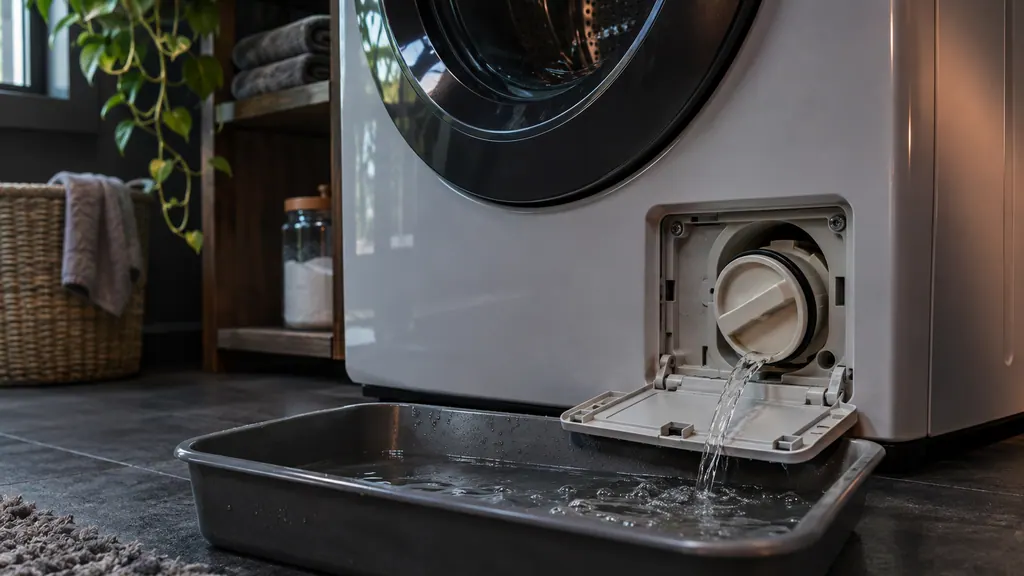
Run the Drain program, unplug the washer, open the pump filter cover, empty the water through the small drain hose, then unscrew the filter counterclockwise, rinse it and screw it back in clockwise.
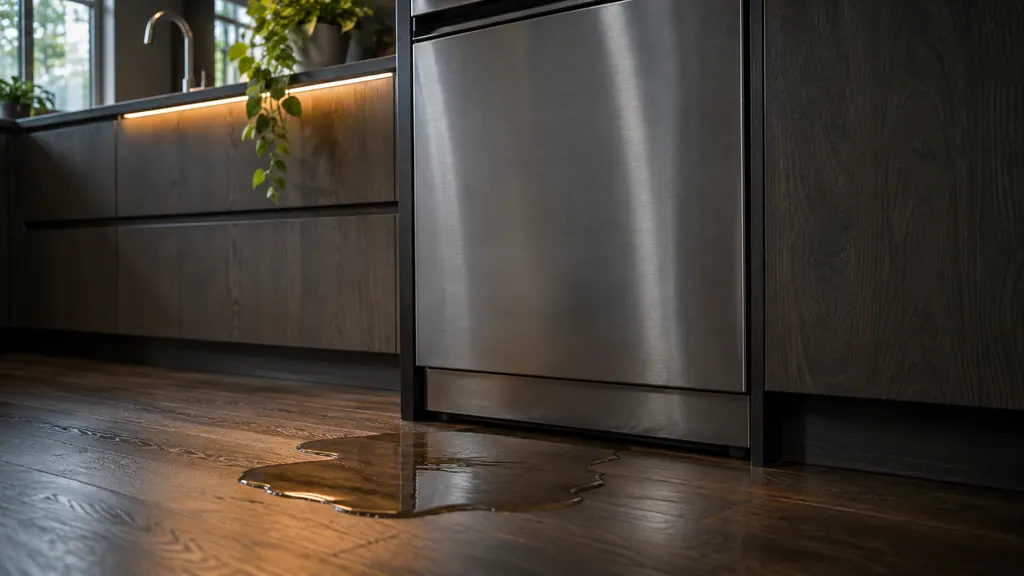
If your ASKO dishwasher is leaking, turn off the water supply valve first, then read the display. Here is what F54, F40 and F10 mean, the checks you can do safely, and when to call a technician.
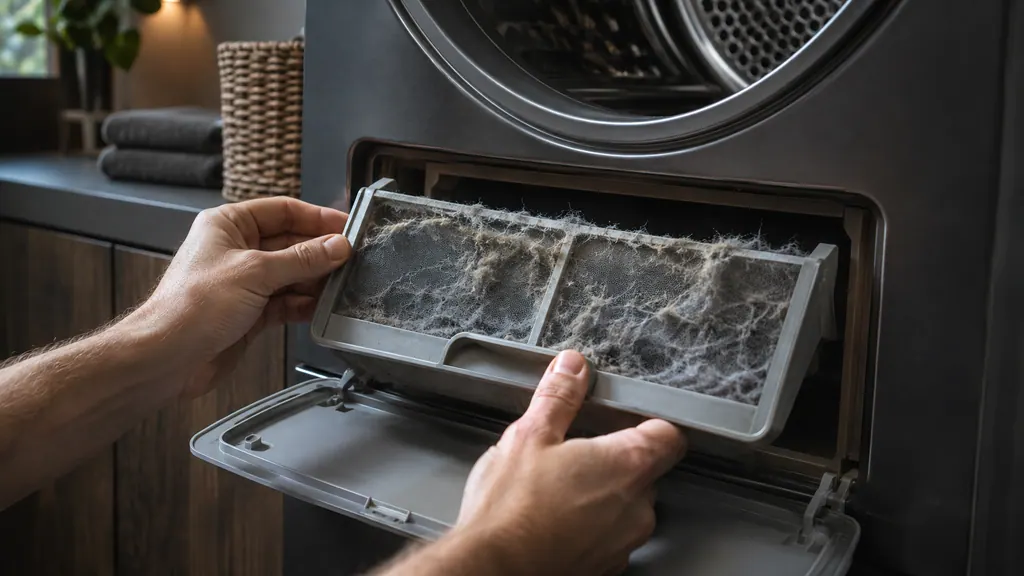
Clean the door lint filter after every load, and clean the lower lint filter, its foam filter and the housing at least every 10 cycles, brushing the heat exchanger fins gently if dust has built up.

ASKO T5HXL heat-pump dryers have 18 programs. The three cotton programs take a full load; Synthetics, Mixed laundry, Bedding/Towels, Jeans and Time take half; Delicates, Wool, Airing and Down/Bulky Items take a quarter. Your full load is on the rating plate.
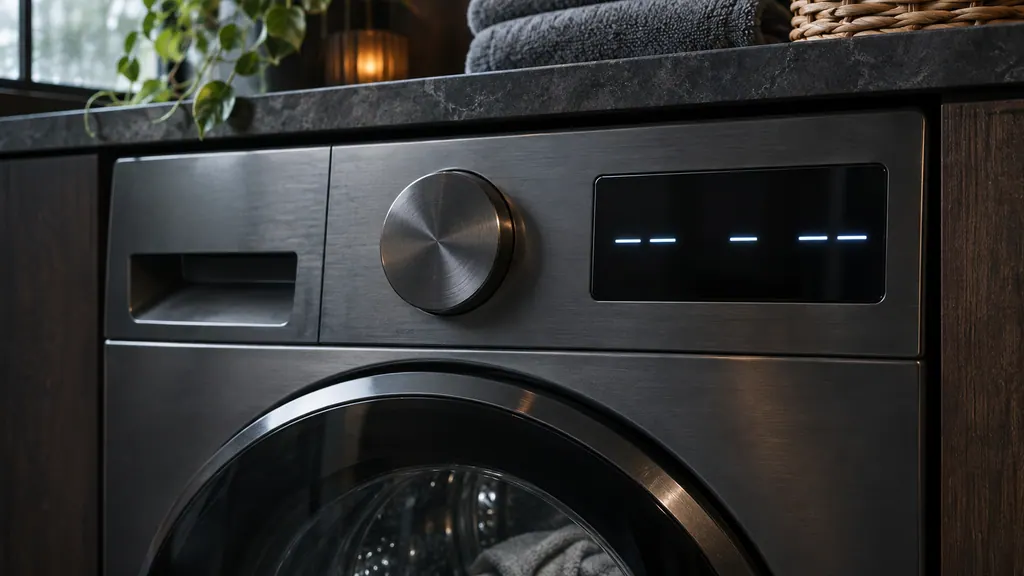
On ASKO WM86L washers, an E code shows the system that stopped the program: water in, water level, water out, leaks, the door, heating, the motor or the electronics. Hold OK to read the description, switch off, wait a minute, restart, and call if it returns.
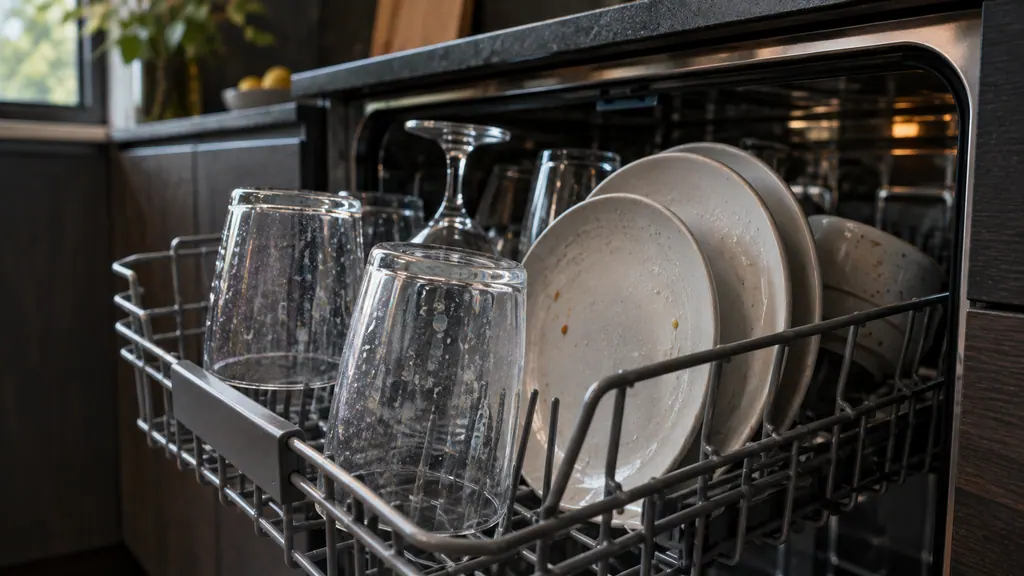
When an ASKO dishwasher leaves food or film on dishes, the usual causes are blocked spray arms, dirty or loose filters, loading that blocks the water, or the wrong detergent, program or salt setting. Here's how to fix each one.

An ASKO induction cooktop needs magnetic cookware with a flat base at least 2.25 mm thick. If a magnet sticks firmly to the base, the pan works. Copper, aluminum, earthenware and porcelain don't. A new cooktop may smell slightly the first few times, which is normal.
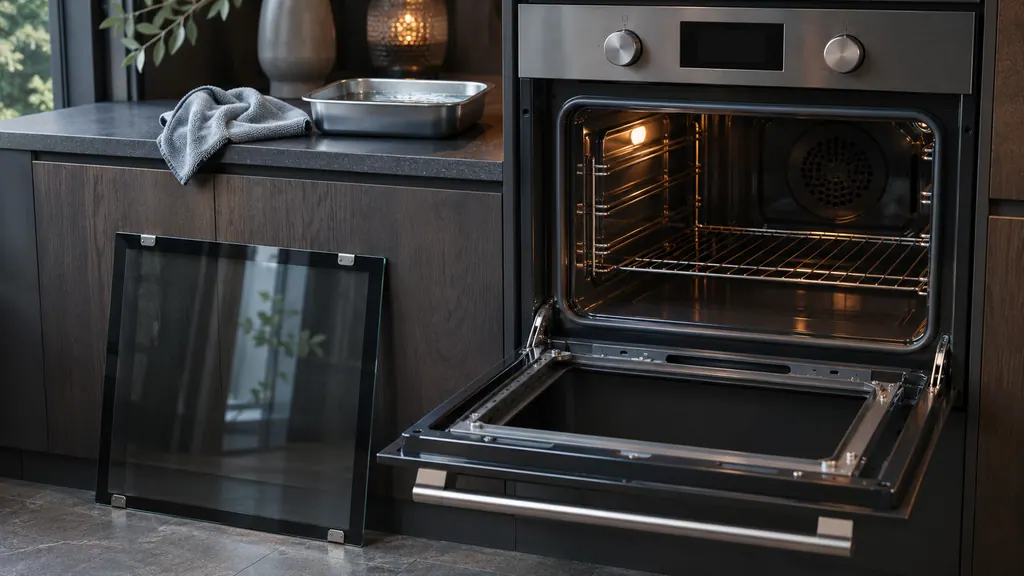
Clean an ASKO OT8687S by wiping it with warm soapy water and running Aqua clean on a cold oven with 0.15 liters of water. Take out the guide rails, door and door glass when they need a deeper clean.
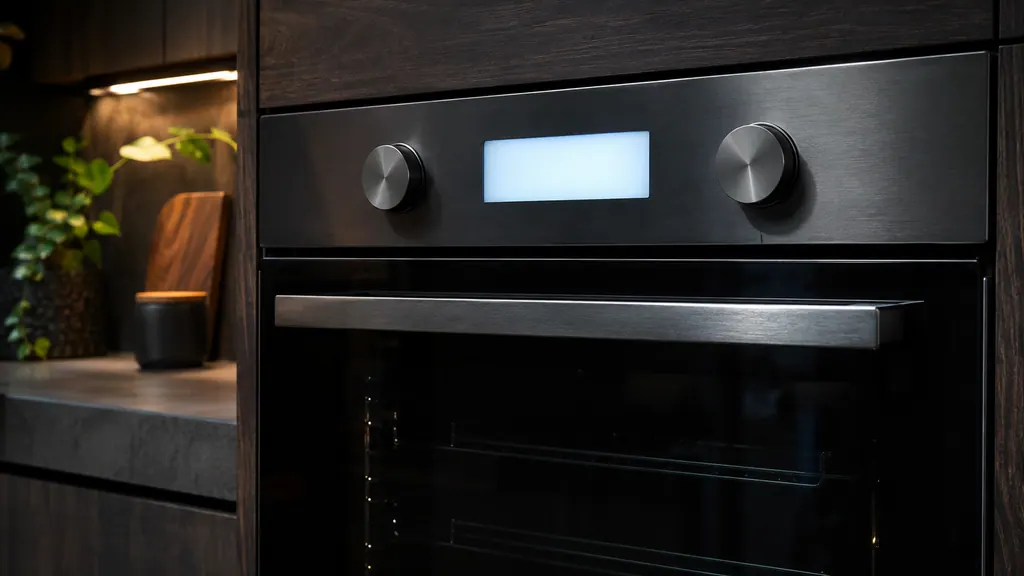
On the ASKO OT8687S, ERROR followed by a number points to a problem in the oven's electronic module. Disconnect the power for a few minutes, reconnect, set the time, and call a technician if it returns. The manual doesn't decode individual numbers.
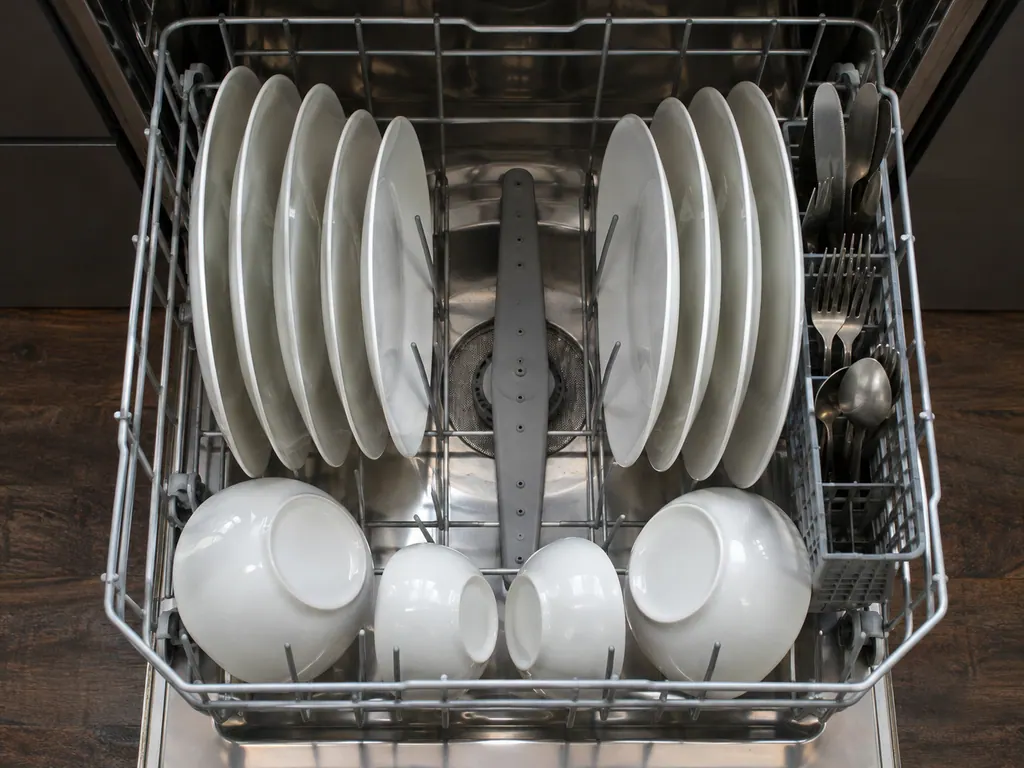
Switch the dishwasher off and unplug it first. Then feel carefully for broken glass in the bottom of the tub.
Read the full sequence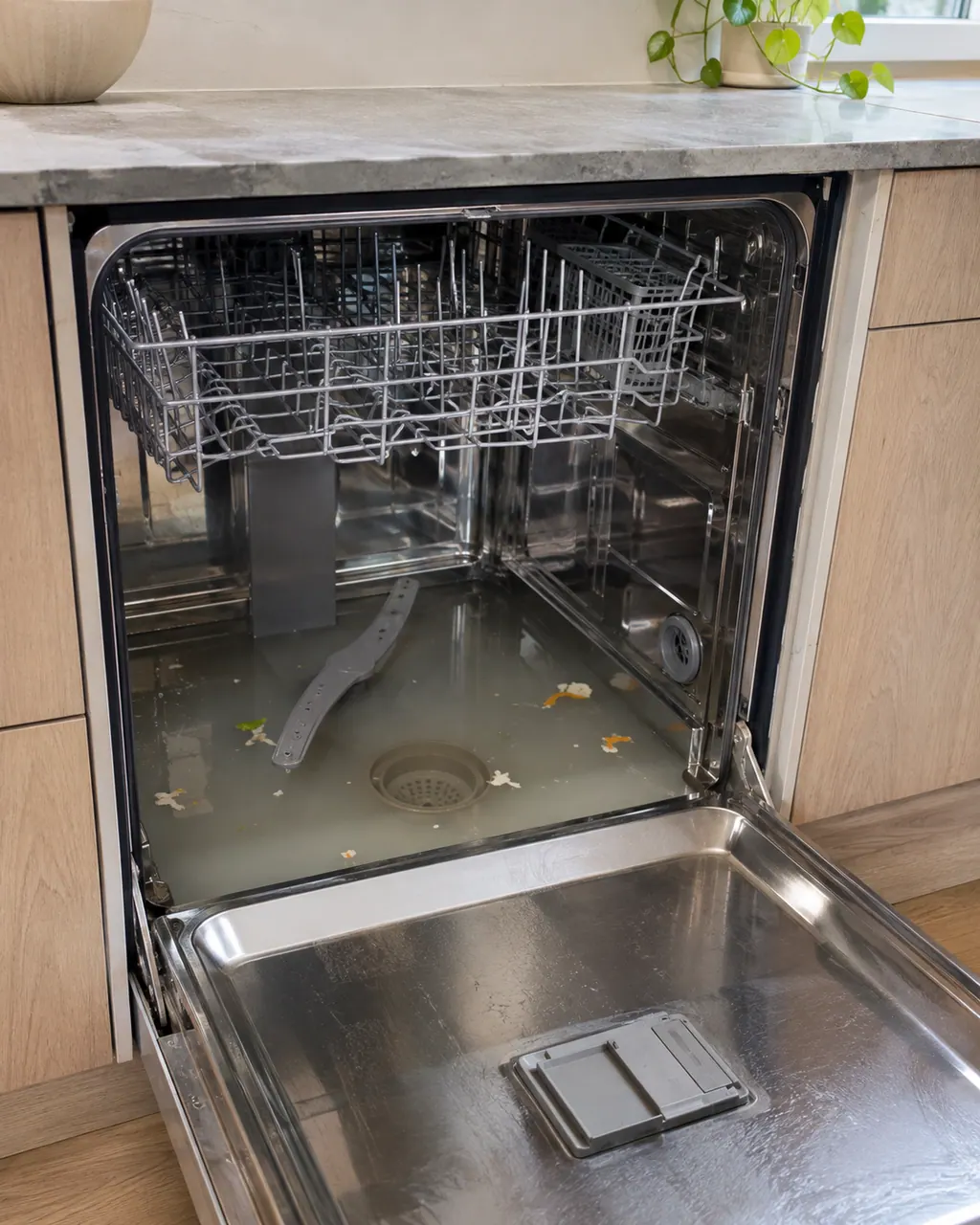
The DBI786 manual traces water left above the filters to four things you can check yourself: clogged or loose filters, debris in the drain pump, a missing drain pump stop, and a kinked or blocked drain hose. Unplug the dishwasher before you start.

Close the water supply valve before anything else, then look at the display. F54 tells you the overflow guard has tripped; F40 tells you the inlet valve is letting water through when it should be shut. Either way, keep the water off and book service.
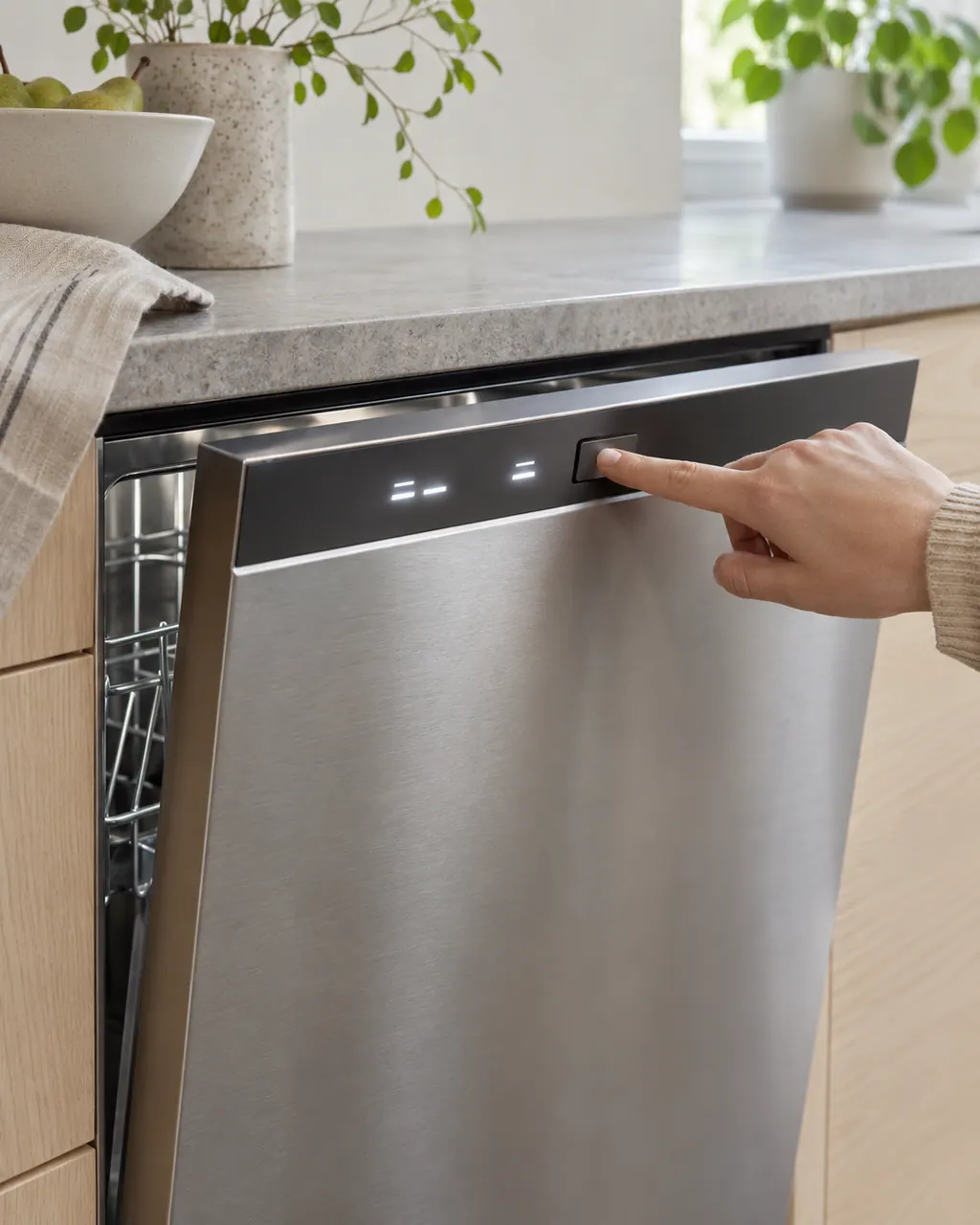
On ASKO dishwashers like the DBI786 and DBI675, you press Start and then close the door within four seconds. If the door isn’t shut in time, nothing happens. Check that first, then look for Delayed start, the child lock and power at the outlet or breaker.
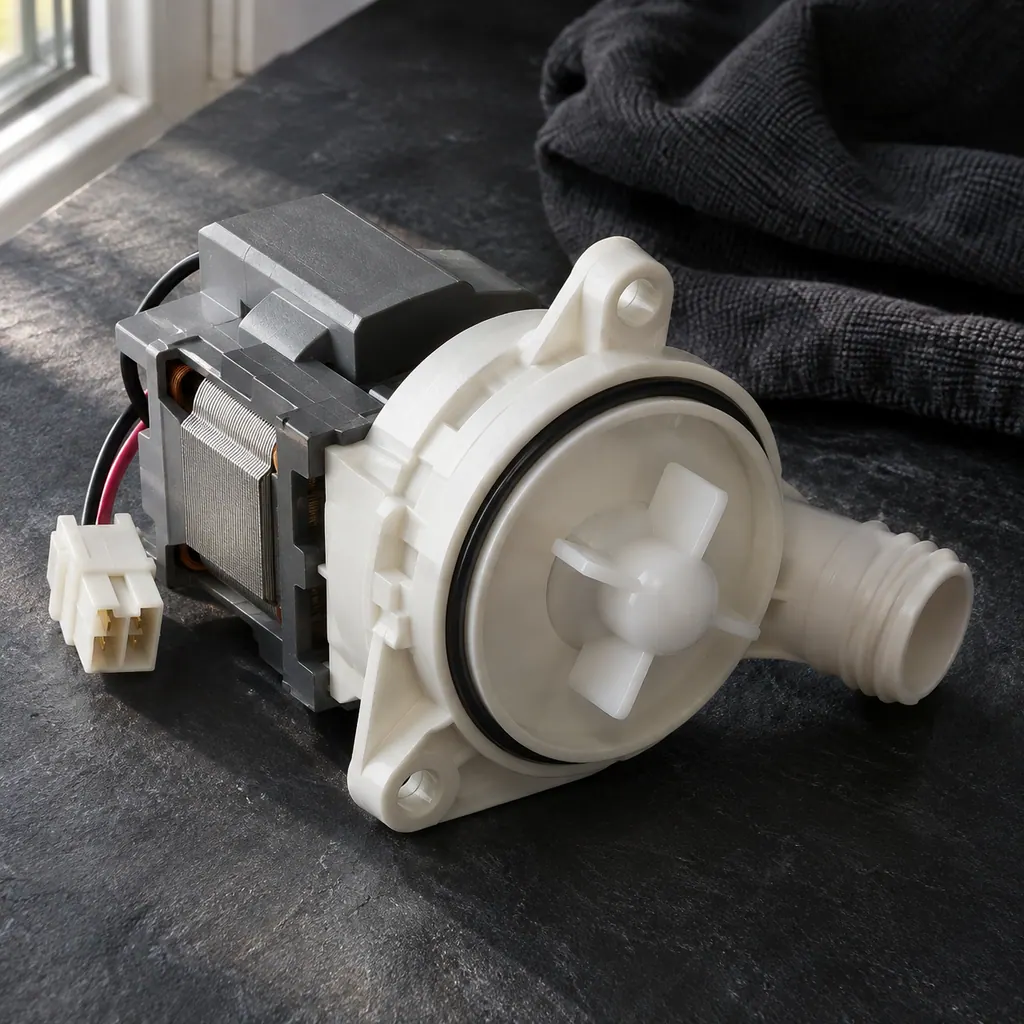
Moves used water out of the dishwasher.
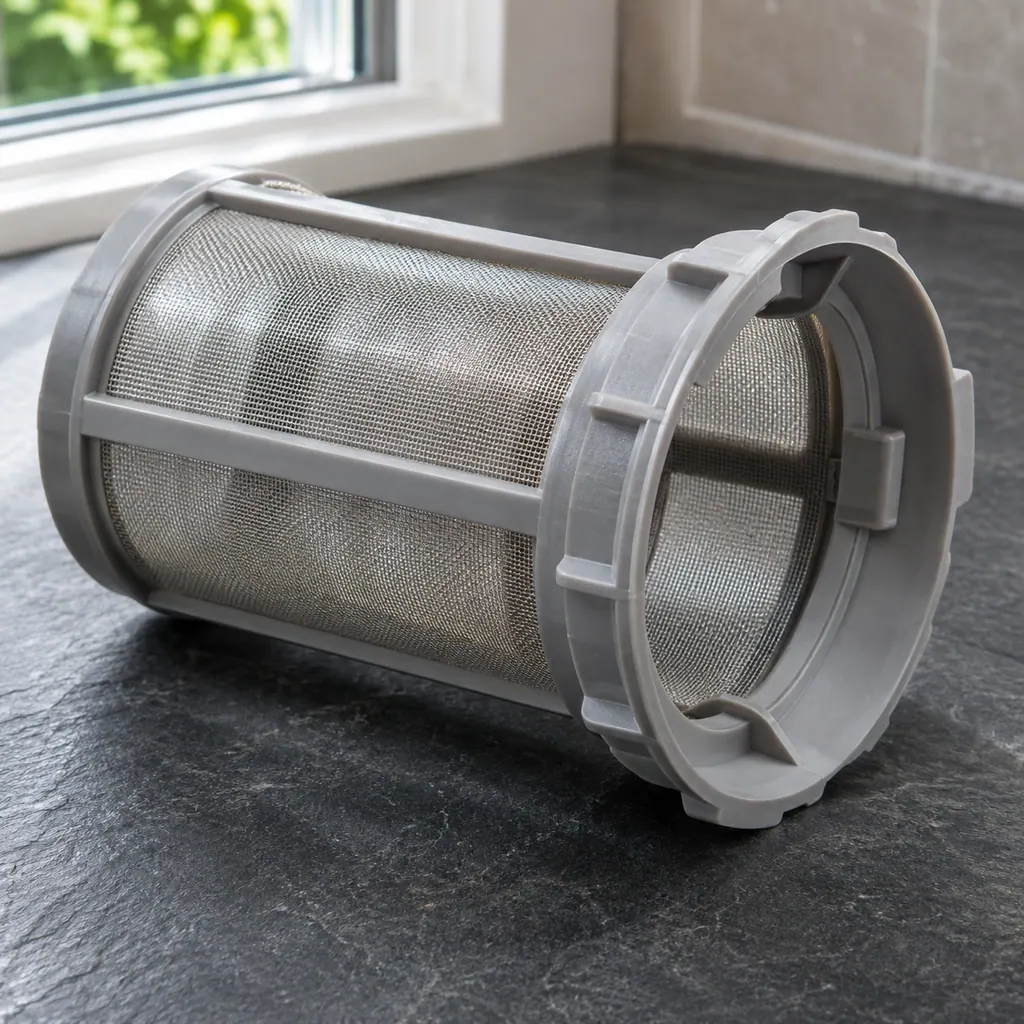
Catches larger pieces of food before they reach the drain system.
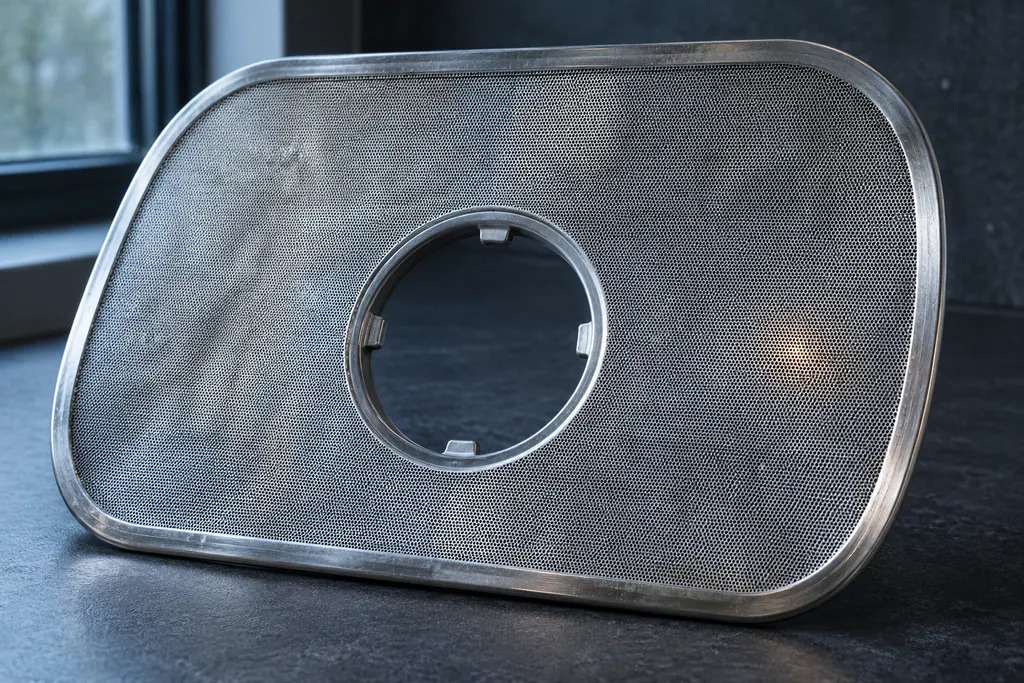
The fine filter sits under the coarse filter and catches the smaller particles. Your ASKO rinses most of that debris away during each wash, but the filter still needs a hand clean from time to time.
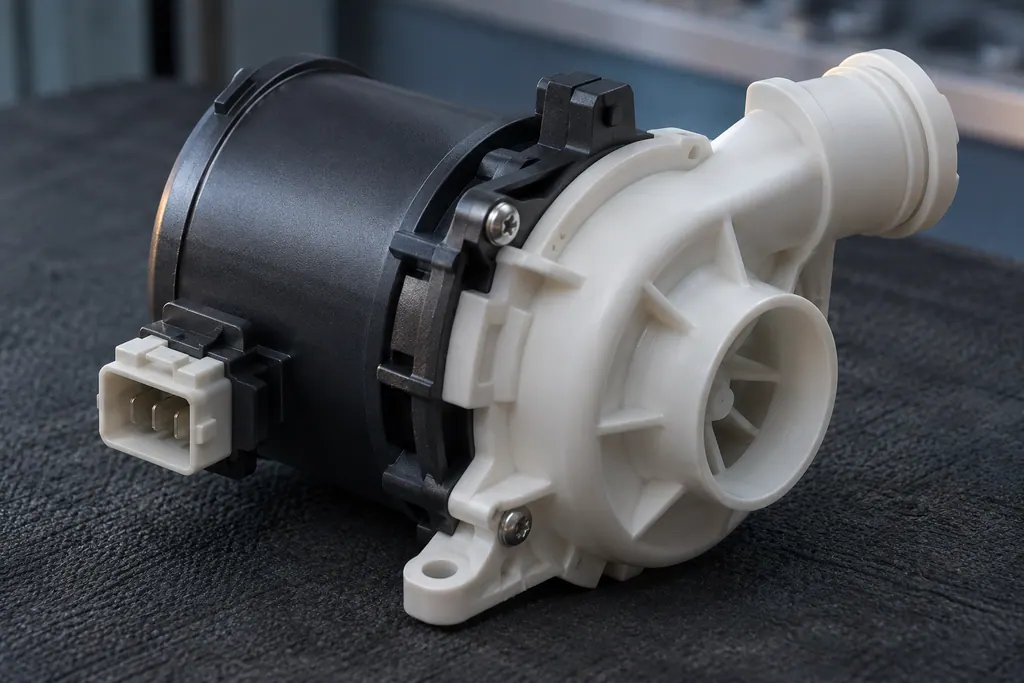
A brushless drain pump is a drain pump driven by a brushless (BLDC) motor. On the ASKO DBI786 it has its own code, F68, and the manual treats it like F11: filters, pump wheel and drain hose come first.
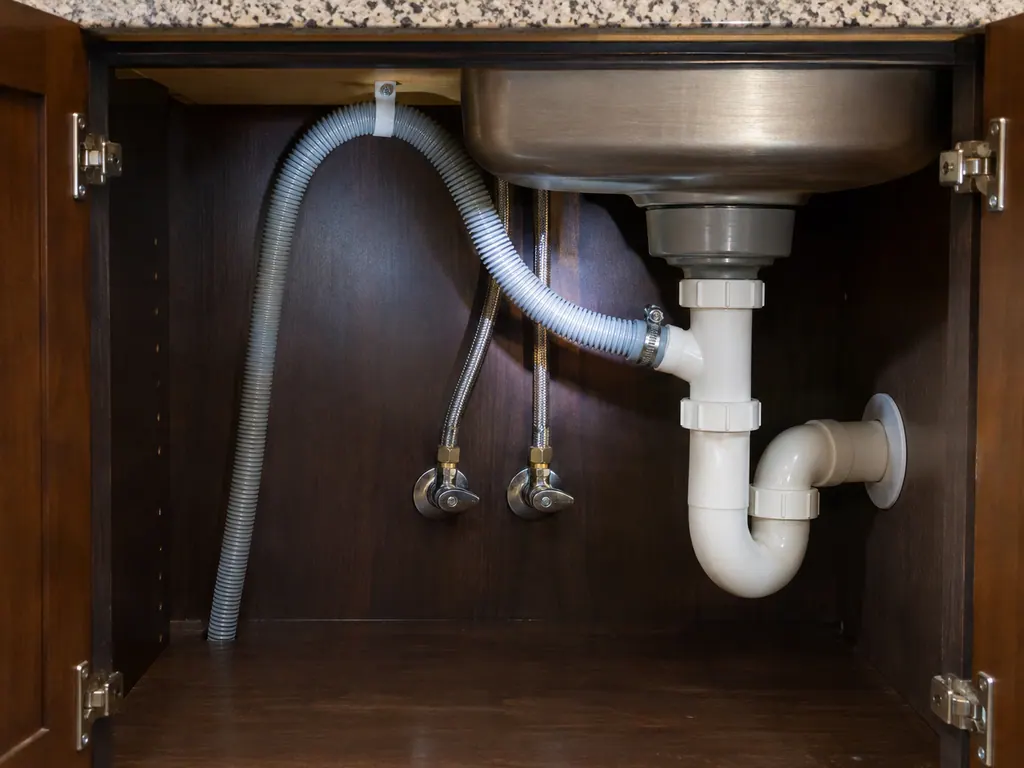
The drain hose carries dirty water from the dishwasher to your sink drain or another household drain. A kink, a sharp bend or a blockage in it can leave water in the tub, so check it once the filters are clean.
F52 asks you to clean the coarse and fine filters. Newer ASKO manuals call it a water level error, but the fix starts in the same place: clean filters, then a test program.
F11 means your ASKO dishwasher couldn’t pump the water out. Clean the coarse and fine filters first, then clear the drain pump and check the drain hose. All three are owner jobs in the manual, done with the power off.
F68 points to the brushless drain pump that empties your dishwasher. Start with the same checks as F11: clean the filters, clear the pump and look at the drain hose. Call if the code comes back.
Experienced technicians assess the appliance before recommending work. OEM parts are available on order, with the correct part identified for the model.
Repairs covered by the manufacturer’s warranty go through ASKO itself. We give a warranty on our workmanship.
There are 24 guides in four groups of six: maintenance, troubleshooting, error codes explained and using your appliance. They cover ASKO dishwashers, washers, dryers, ovens and cooktops, and each one is written from ASKO’s own manuals.
If something has gone wrong, open troubleshooting, or error codes explained if there’s a code on the display. For routine care like filters, salt and descaling, go to maintenance. Using your appliance covers programs, detergent, loading and cookware.
No. Cleaning a filter or topping up salt is something you do yourself, and it often settles a small problem. If the same code or the same problem comes back after the care steps, it’s time for a technician.
Each guide names the models it was written from. Keep your own manual nearby and check that the steps match the appliance in front of you, especially for anything you remove and refit.
Code / symptom / part / service
The DBI786 manual traces water left above the filters to four things you can check yourself: clogged or loose filters, debris in the drain pump, a missing drain pump stop, and a kinked or blocked drain hose. Unplug the dishwasher before you start.
Arrange a model-specific diagnostic at the appliance.
Office details and the access information to include.