Inside the appliance
Drain hose. In plain English.
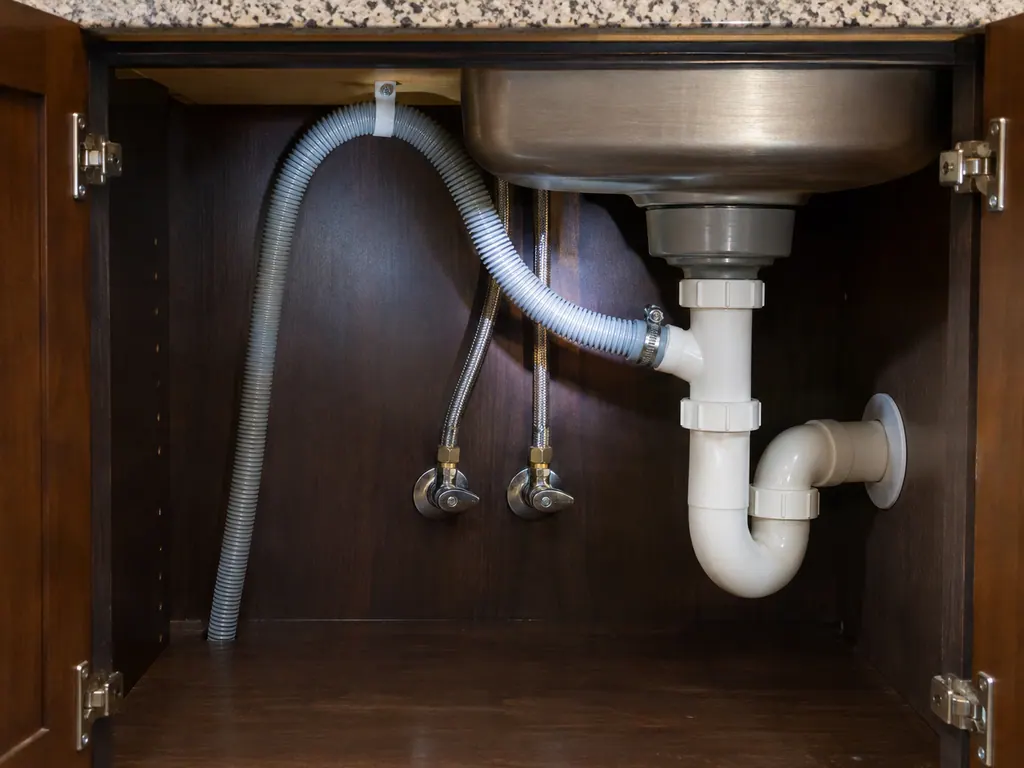
The drain hose carries dirty water from the dishwasher to your sink drain or another household drain. A kink, a sharp bend or a blockage in it can leave water in the tub, so check it once the filters are clean.
Where it fits.
Drain hose in the appliance
It runs from the dishwasher, often through the cabinet next to it, to the sink’s drain trap or another drain. On the DBI786, no part of the hose may sit more than 37 3/8 inches above the bottom of the dishwasher.
The picture illustrates the component type. It does not identify a compatible replacement for your model.
What changes when this system needs attention.
Drain hose concerns can appear alongside a change in performance or a recurring code. Testing is needed before deciding whether the component is responsible.
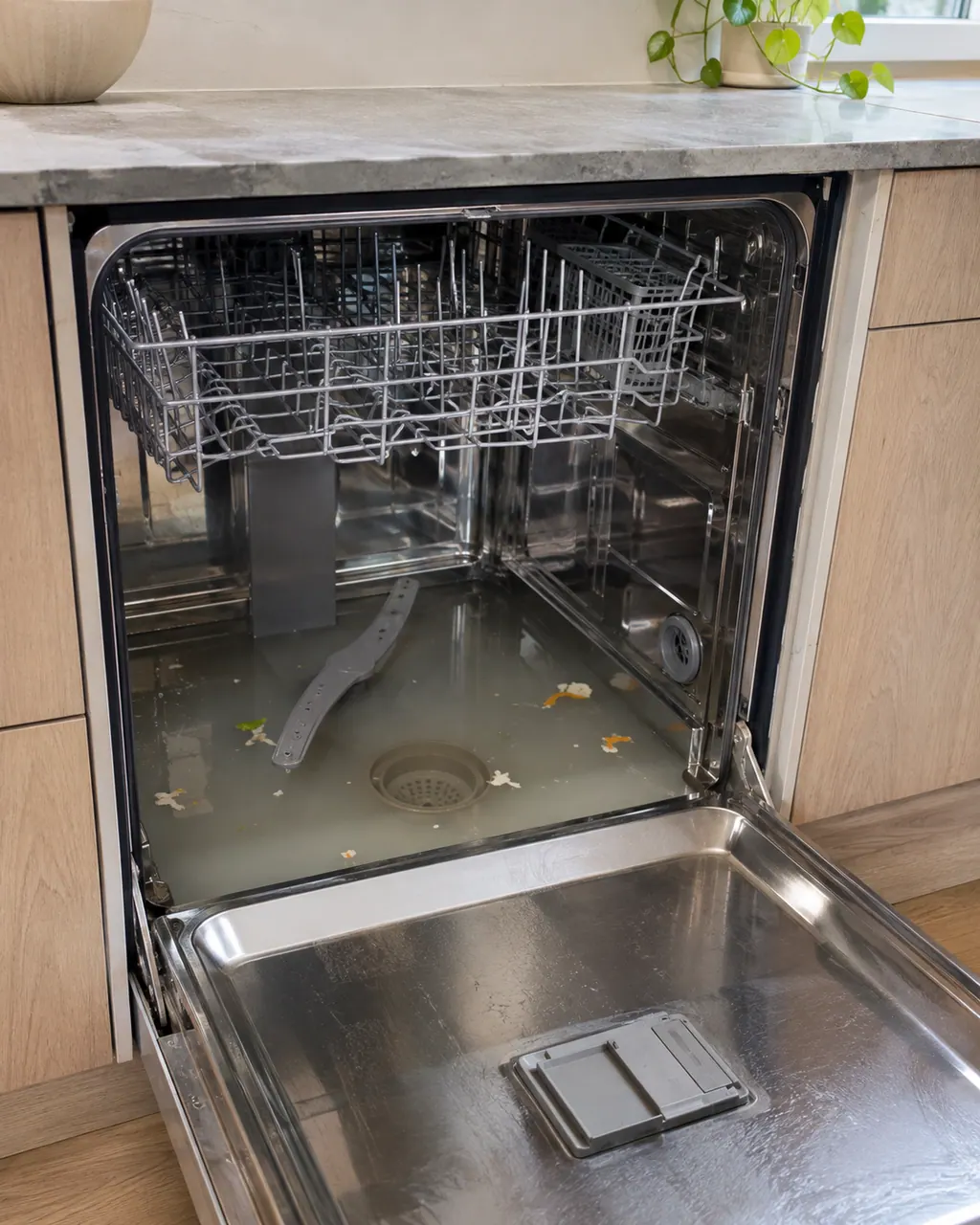
Owner care, within the model instructions.
Switch off and unplug before owner-accessible checks. Watch for standing water and sharp debris. Do not touch a wet plug or electrical area, remove service panels, or go beyond your model’s owner instructions.
- 1
Look for kinks and sharp bends
Open the sink cabinet and follow the hose as far as you can see it. The DBI786 manual lists a kinked hose as a cause of water left in the tub.
- 2
Check the drain end
If the end is easy to reach, loosen it where it joins the drain and look inside for debris. On a sink connection, the manual also asks whether the drain boot’s cone was cut wide enough for the fitting.
- 3
Leave the dishwasher in place
Don’t pull the dishwasher out of its cabinet to get at the hose. Sliding it back in is exactly when hoses get pinched or kinked.
Cleaning or replacement?
Leave internal testing to a technician.
Book a visit if the hose looks clear and the dishwasher still won’t drain, or if reaching the hose means moving the machine. Rerouting or extending a hose is installation work.
Arrange a diagnosticSee the neighboring components.
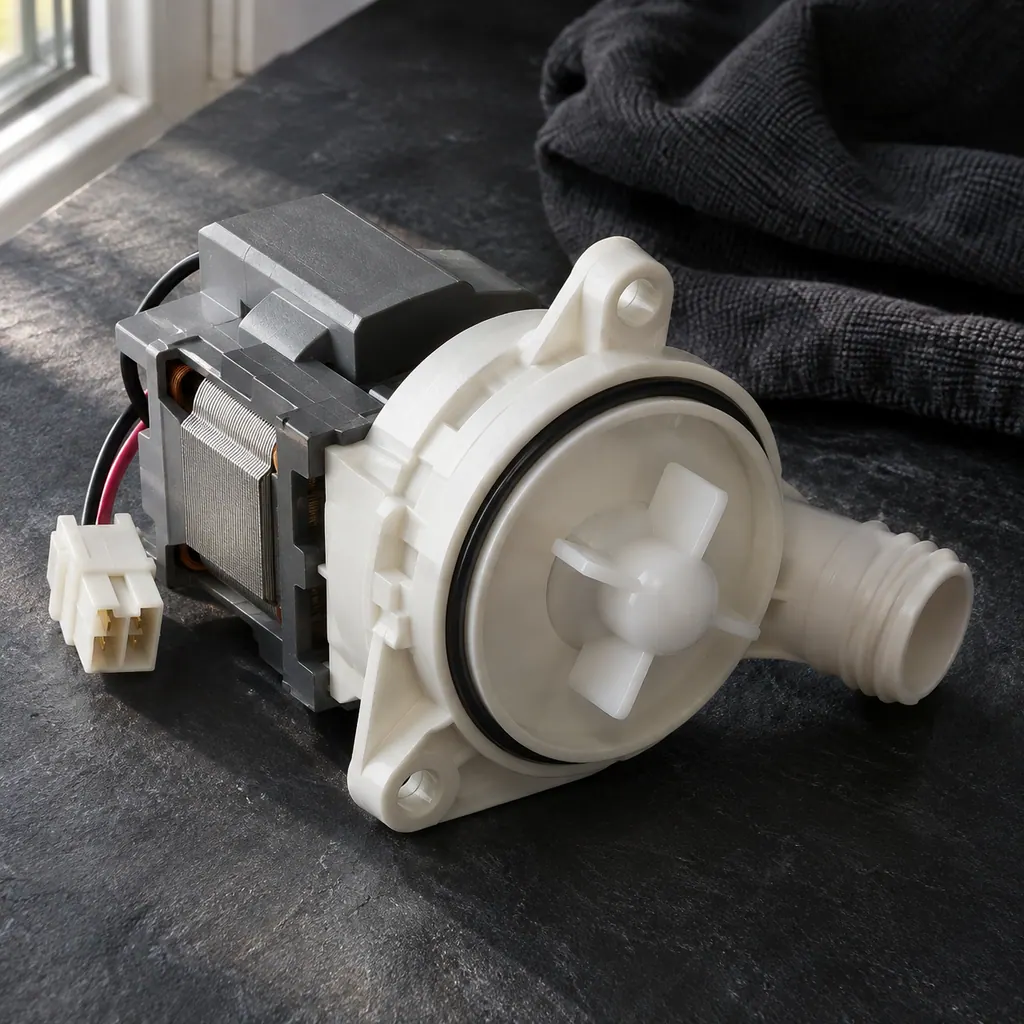
Drain pump
Moves used water out of the dishwasher.
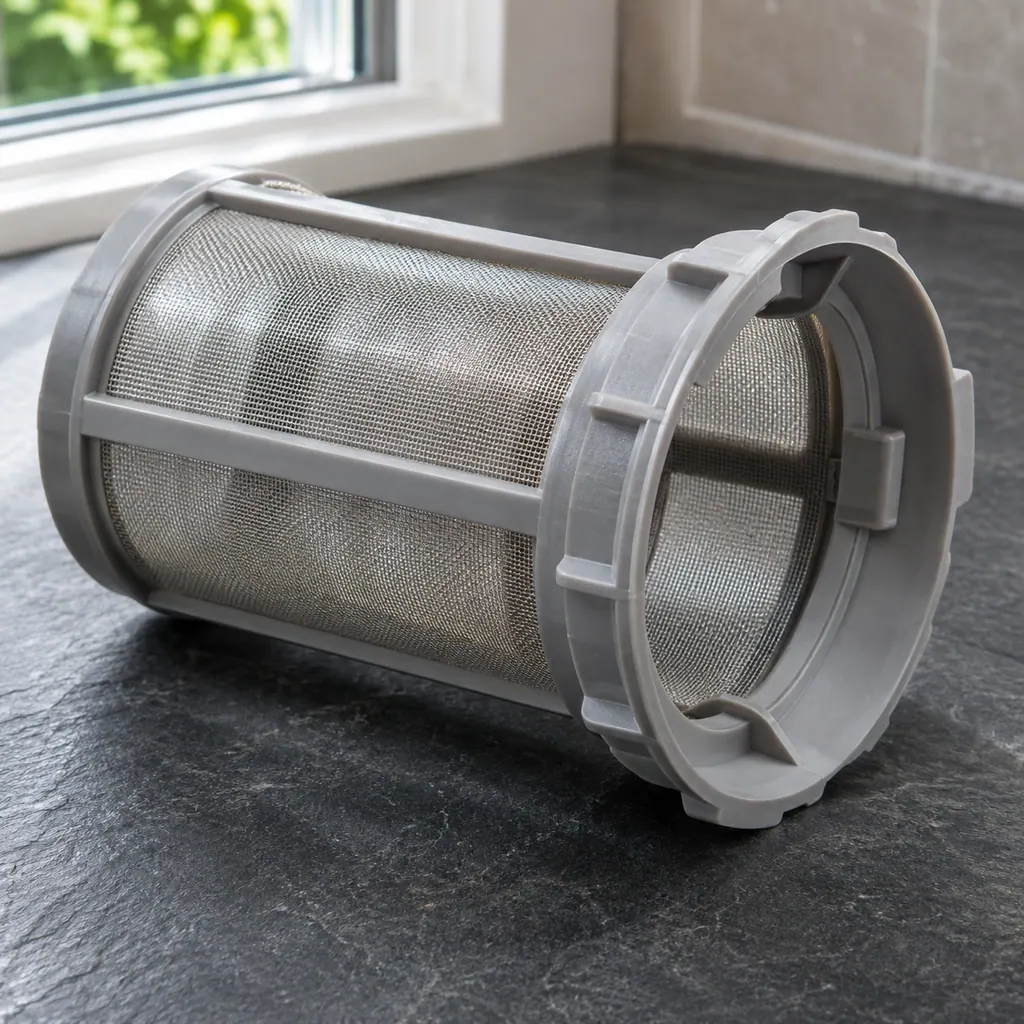
Coarse filter
Catches larger pieces of food before they reach the drain system.
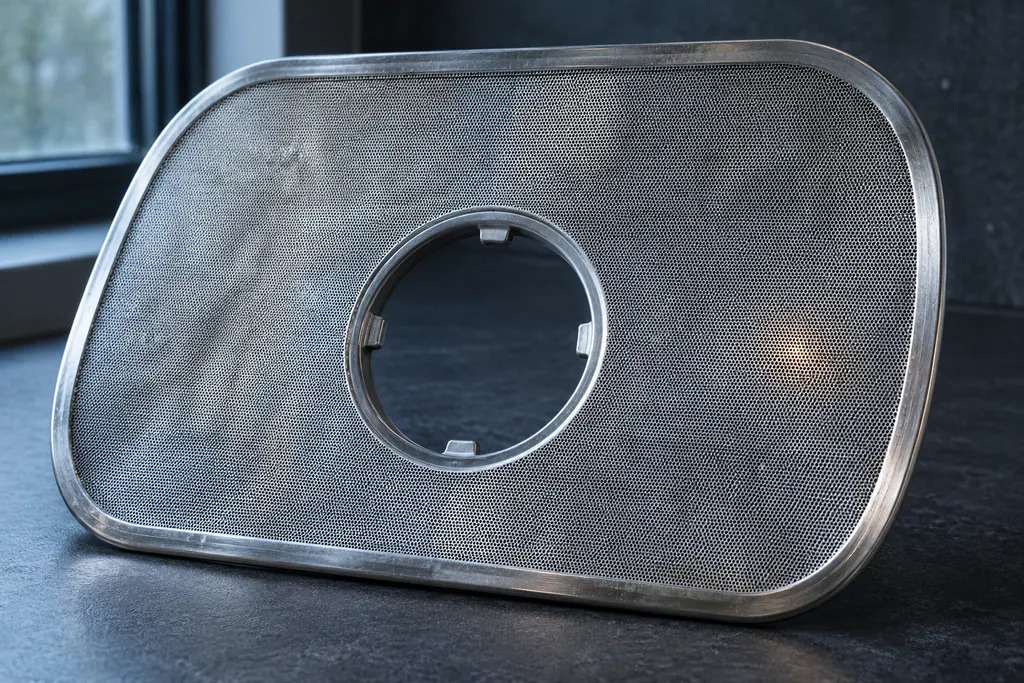
Fine filter
The fine filter sits under the coarse filter and catches the smaller particles. Your ASKO rinses most of that debris away during each wash, but the filter still needs a hand clean from time to time.
Sources and model boundaries.
These references support the Drain hose guidance. Read the manual that matches your model.
- Asko DBI786IXXLSSOF.U User Manual, Troubleshooting (PDF on the Gorenje Group document server, linked from us.asko.com)
Use the instructions for your exact model. See how we research these pages.
How high can the drain hose go?
On the DBI786, no part of the hose may be more than 37 3/8 inches (950 mm) above the bottom of the dishwasher. If yours loops higher, have the installation checked.
Do I need an air gap for my ASKO dishwasher?
Usually not. The DBI786 manual says no external air gap is needed unless local building codes call for one, because the dishwasher has an internal air gap and a high-loop drain line.
Can the drain hose be extended?
The DBI786 allows an extension of up to 87 inches (2.2 m), as long as the whole hose stays under 177 inches (4.5 m). Joints and connecting pipes need an inside diameter of at least 9/16 inch (14 mm).
Which codes can a drain hose problem cause?
A kinked or blocked hose can leave water in the tub, and the DBI786 includes the hose check for both F11 and F68. Clean the filters and check the pump wheel first, then the hose.
Code / symptom / part / service
Connect the message to the next step.
F11
F11 means your ASKO dishwasher couldn’t pump the water out. Clean the coarse and fine filters first, then clear the drain pump and check the drain hose. All three are owner jobs in the manual, done with the power off.
Dishwasher not draining
The DBI786 manual traces water left above the filters to four things you can check yourself: clogged or loose filters, debris in the drain pump, a missing drain pump stop, and a kinked or blocked drain hose. Unplug the dishwasher before you start.
Dishwasher repair
Arrange a model-specific diagnostic at the appliance.
Find your metro
Office details and the access information to include.