Diagnostics and repair
Experienced technicians assess the appliance before recommending work. OEM parts are available on order, with the correct part identified for the model.
The care journal
What the code on your display is telling you, how related codes differ and what to do first.
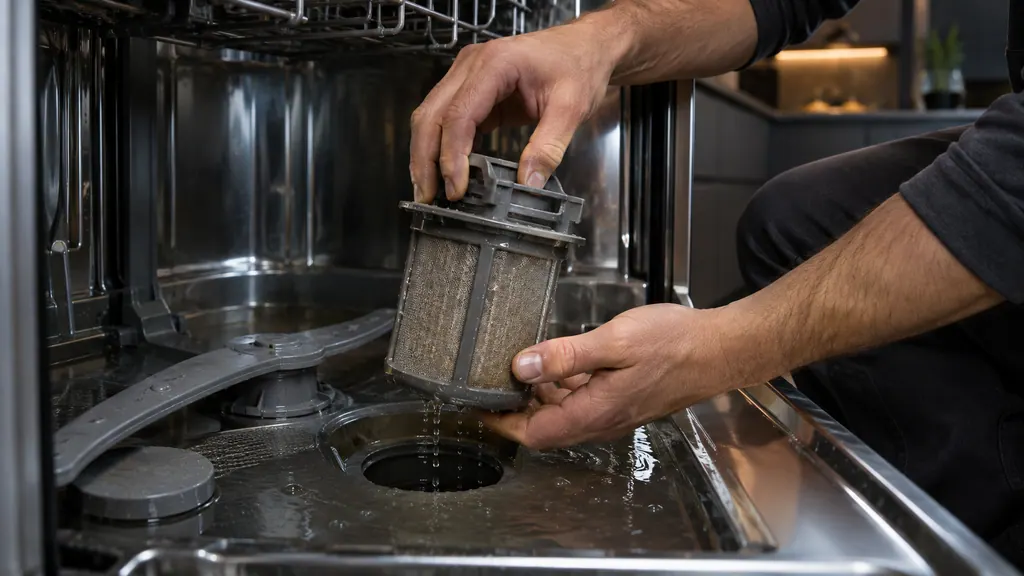
F11 and F68 both mean water didn't drain as it should. On the DBI786, F11 is the water outlet message and F68 points to the BLDC drain pump, and both get the same steps: filters, a test program, the pump, then the hose.
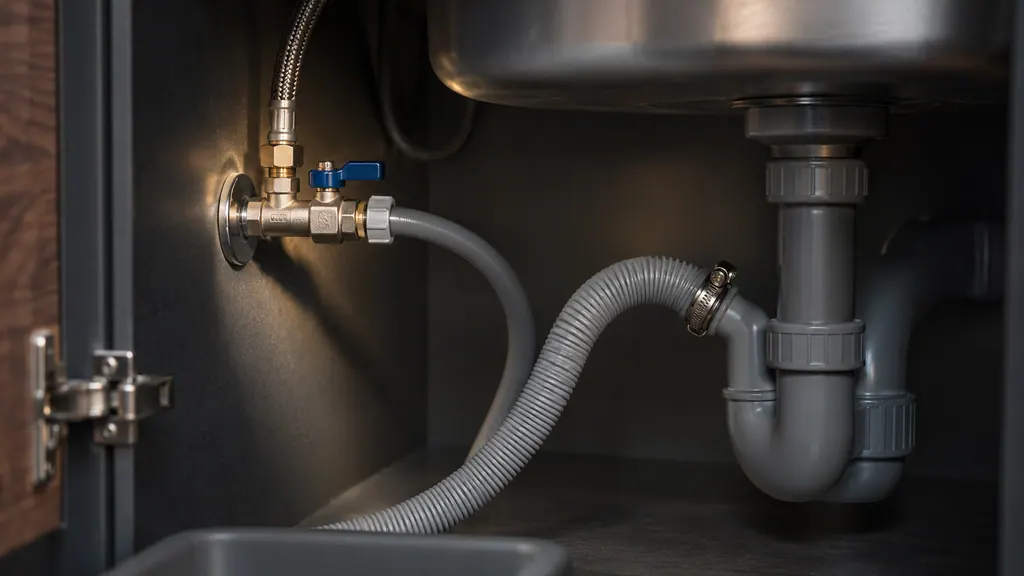
F10 and F12 point in opposite directions. On the DBI786, F10 is the first overfill stage, so you clear the drain pump. F12 means water isn't coming in as it should, so you check that the supply valve is open.
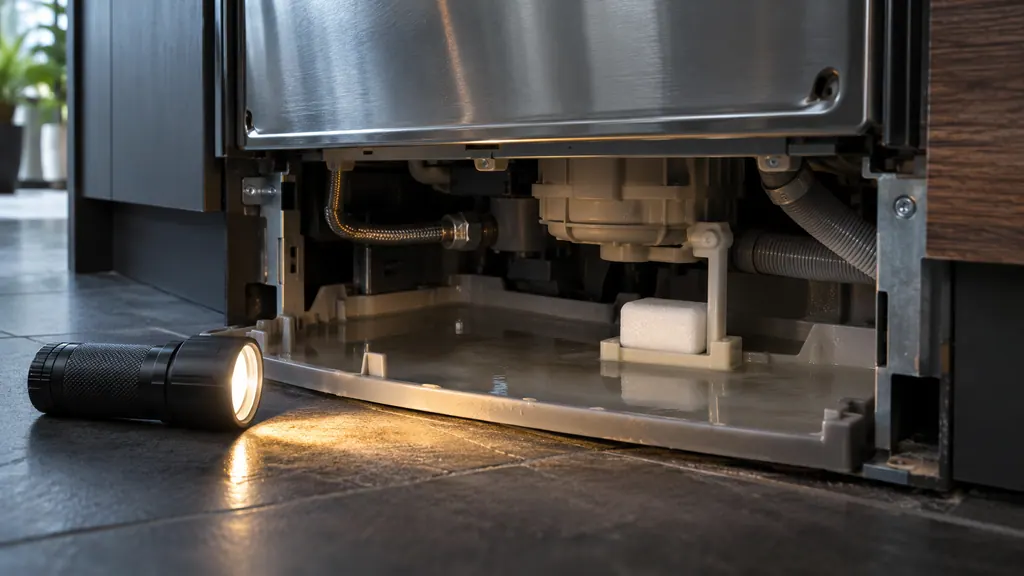
ASKO dishwashers have an overflow guard that pumps water out and shuts off the supply when the level climbs too high. F54 means it has triggered, and F40 reports inlet valve leakage. For both, close the water supply valve first and call for service.
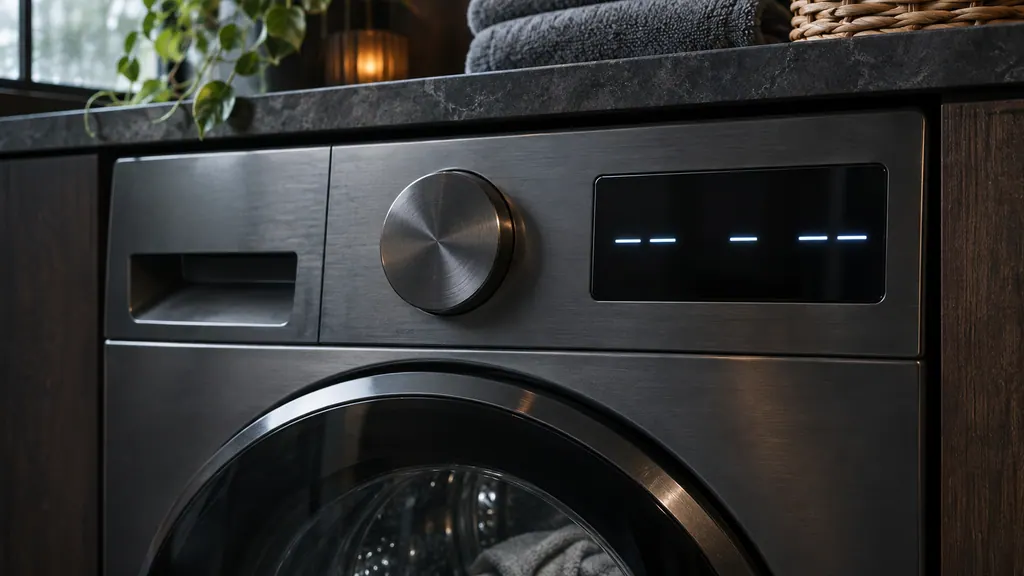
On ASKO WM86L washers, an E code shows the system that stopped the program: water in, water level, water out, leaks, the door, heating, the motor or the electronics. Hold OK to read the description, switch off, wait a minute, restart, and call if it returns.
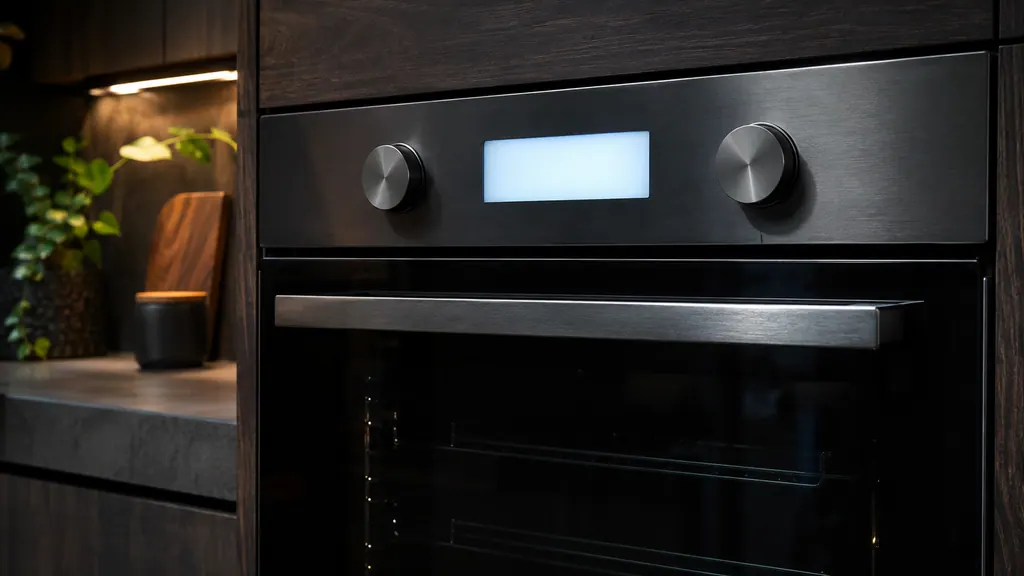
On the ASKO OT8687S, ERROR followed by a number points to a problem in the oven's electronic module. Disconnect the power for a few minutes, reconnect, set the time, and call a technician if it returns. The manual doesn't decode individual numbers.
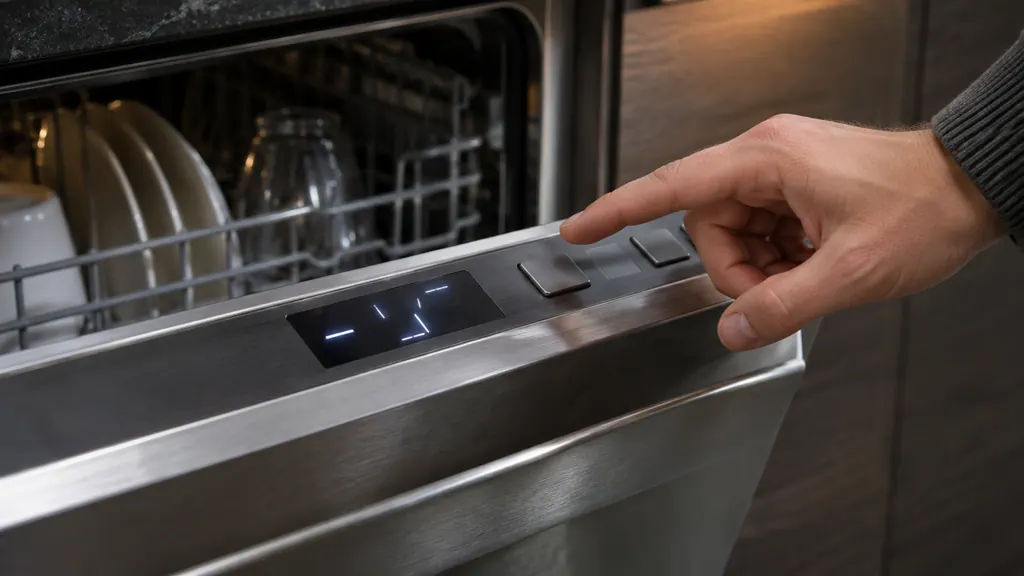
Any button press clears the message. Take a photo of the display, or use Failure readout in the Settings menu on the DBI786 to see recent messages.
Read the full sequence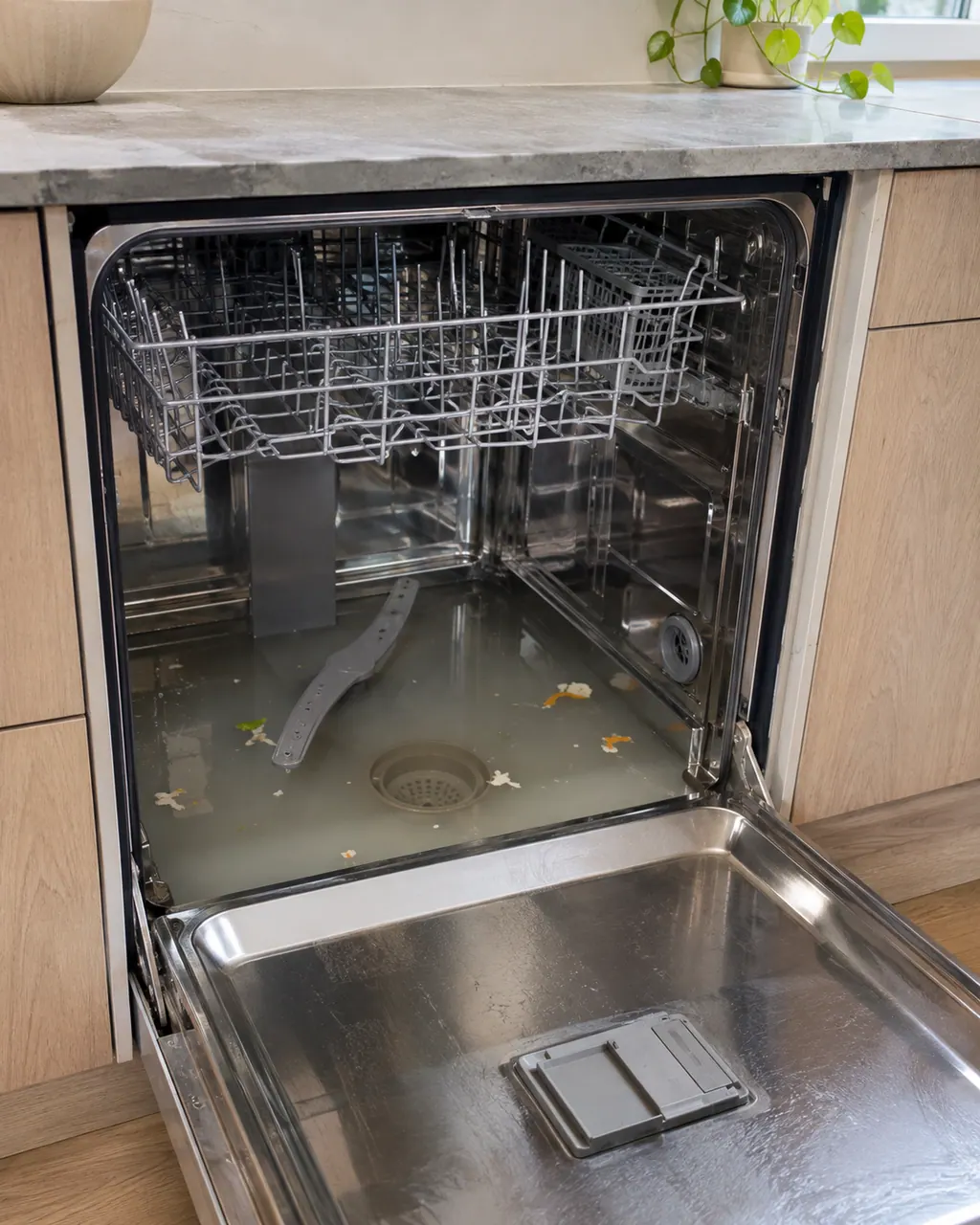
The DBI786 manual traces water left above the filters to four things you can check yourself: clogged or loose filters, debris in the drain pump, a missing drain pump stop, and a kinked or blocked drain hose. Unplug the dishwasher before you start.

Close the water supply valve before anything else, then look at the display. F54 tells you the overflow guard has tripped; F40 tells you the inlet valve is letting water through when it should be shut. Either way, keep the water off and book service.
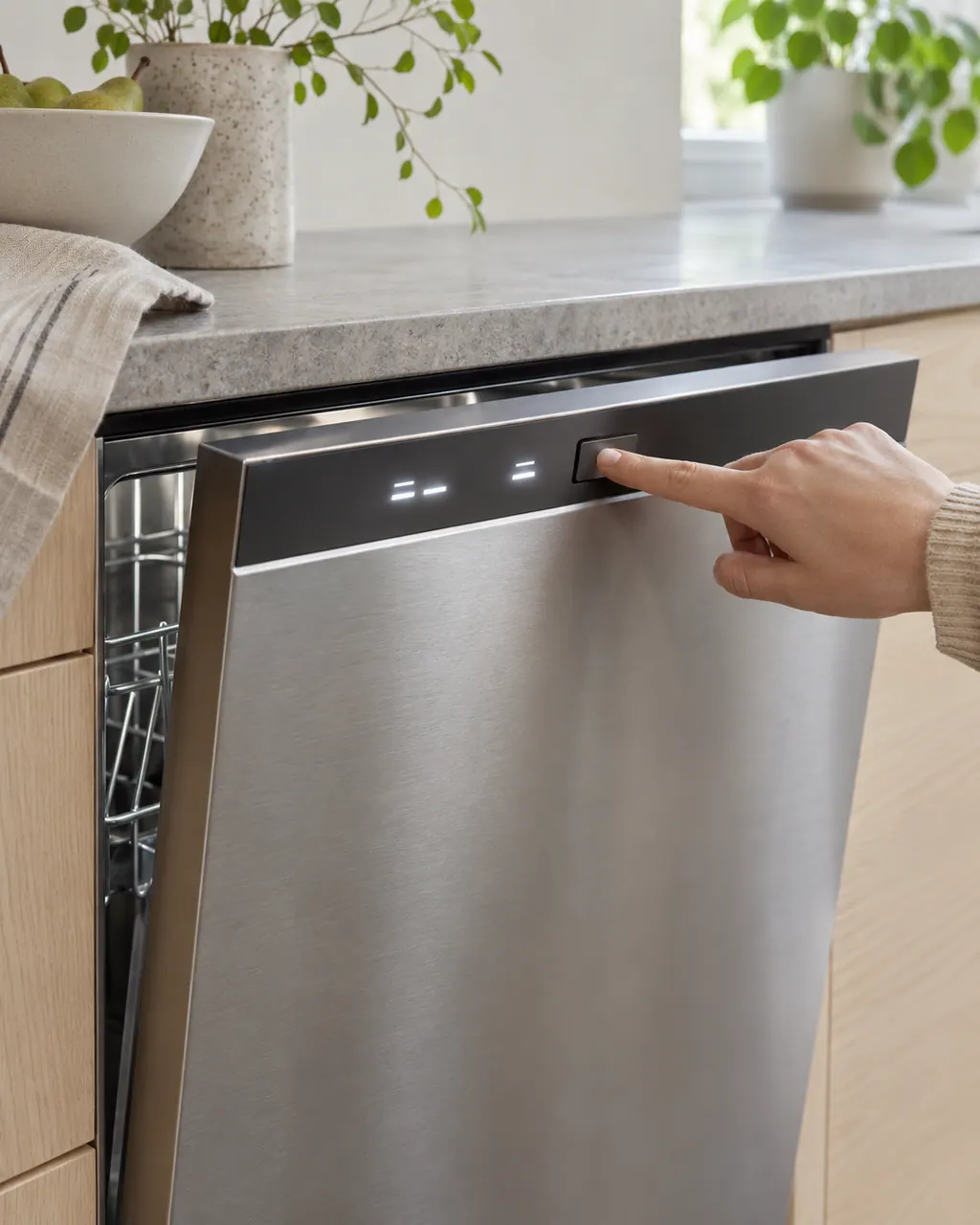
On ASKO dishwashers like the DBI786 and DBI675, you press Start and then close the door within four seconds. If the door isn’t shut in time, nothing happens. Check that first, then look for Delayed start, the child lock and power at the outlet or breaker.
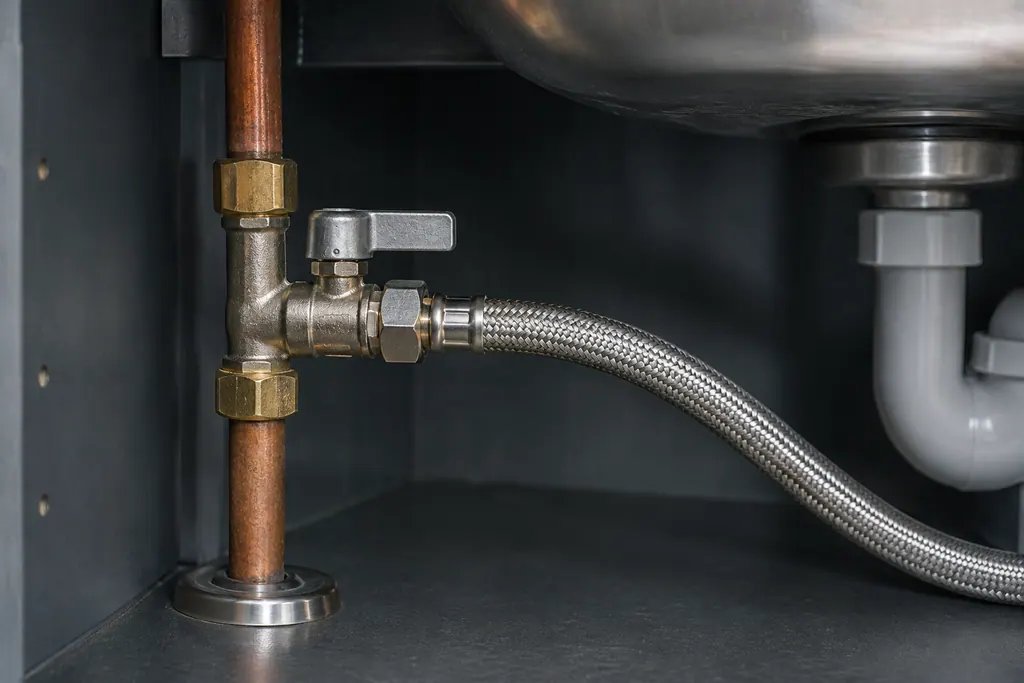
Controls water entering the appliance from your home’s plumbing.
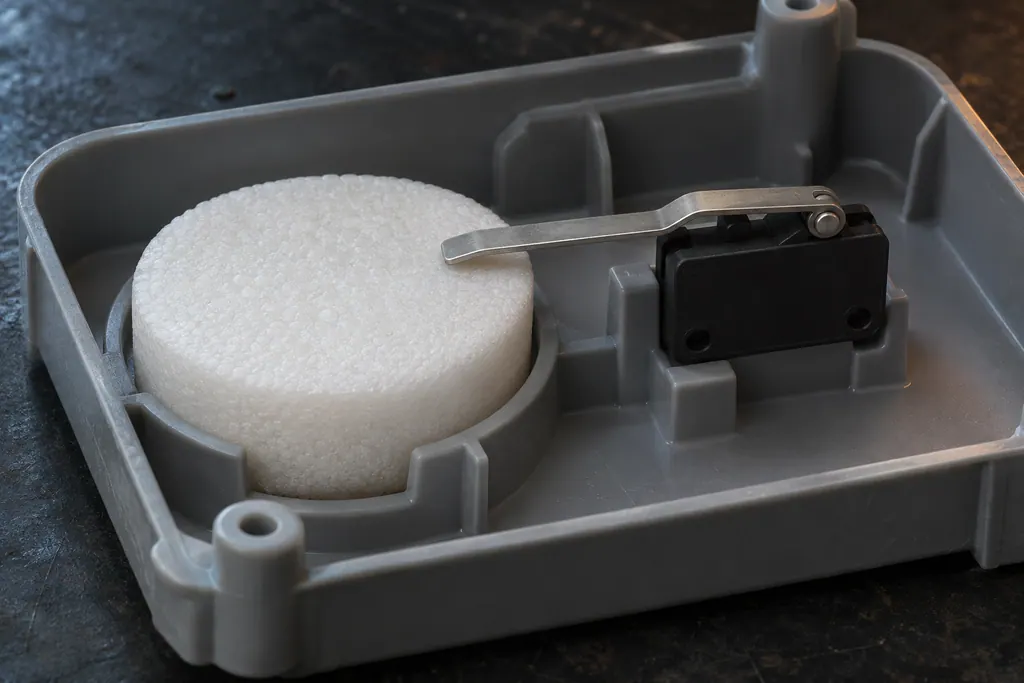
Overflow protection is a safety system that watches the water level in your dishwasher. If the water rises above normal, it starts pumping out and shuts off the supply, and an ASKO shows F54 or “Overfilling water.”
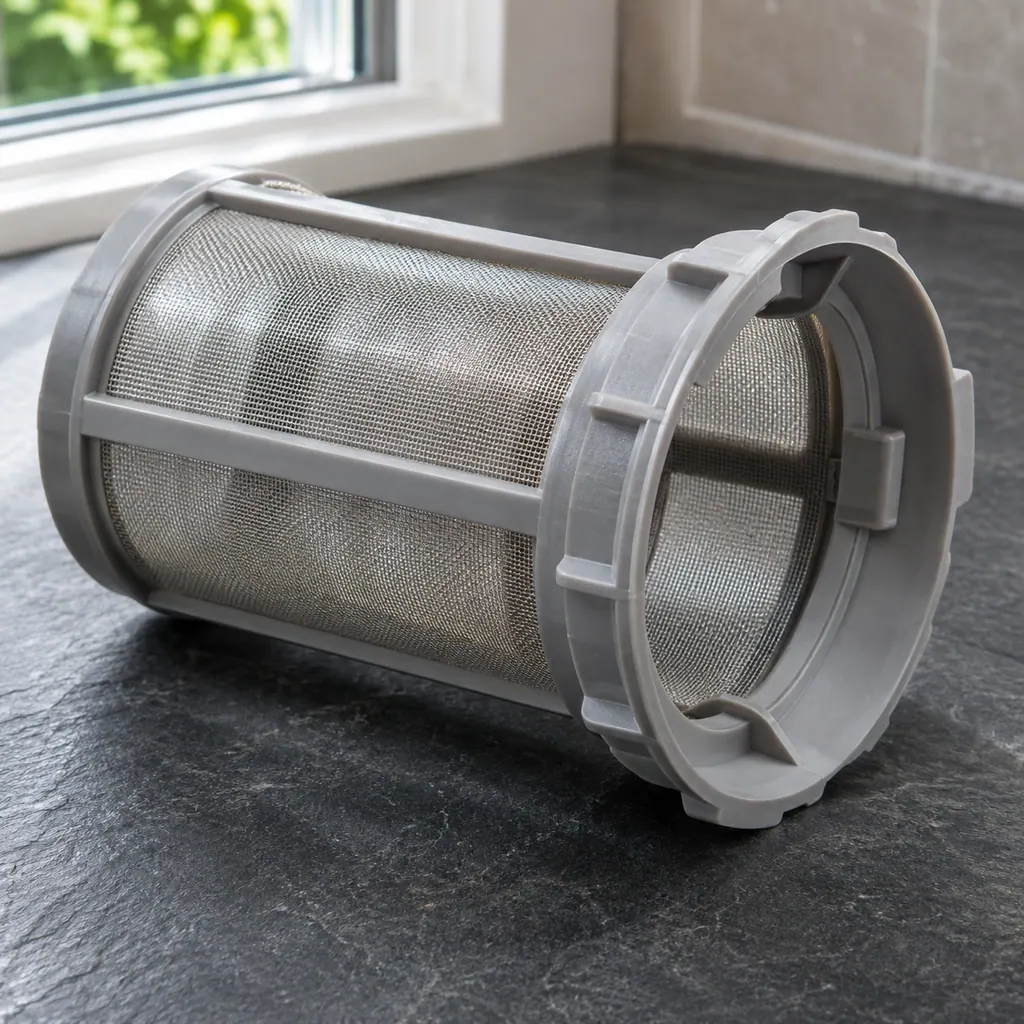
Catches larger pieces of food before they reach the drain system.
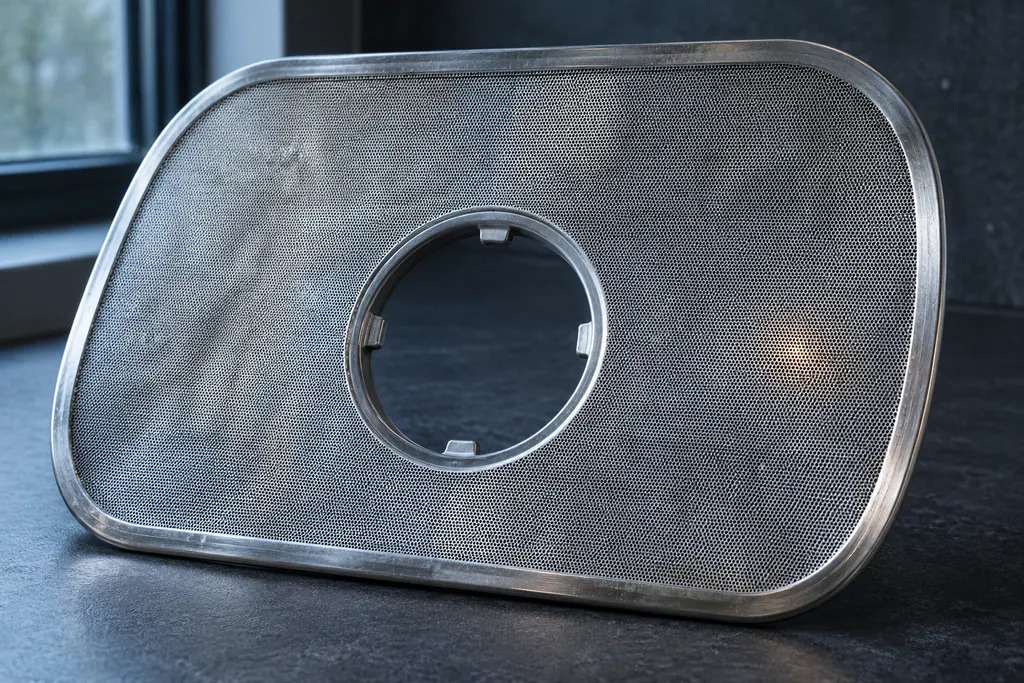
The fine filter sits under the coarse filter and catches the smaller particles. Your ASKO rinses most of that debris away during each wash, but the filter still needs a hand clean from time to time.
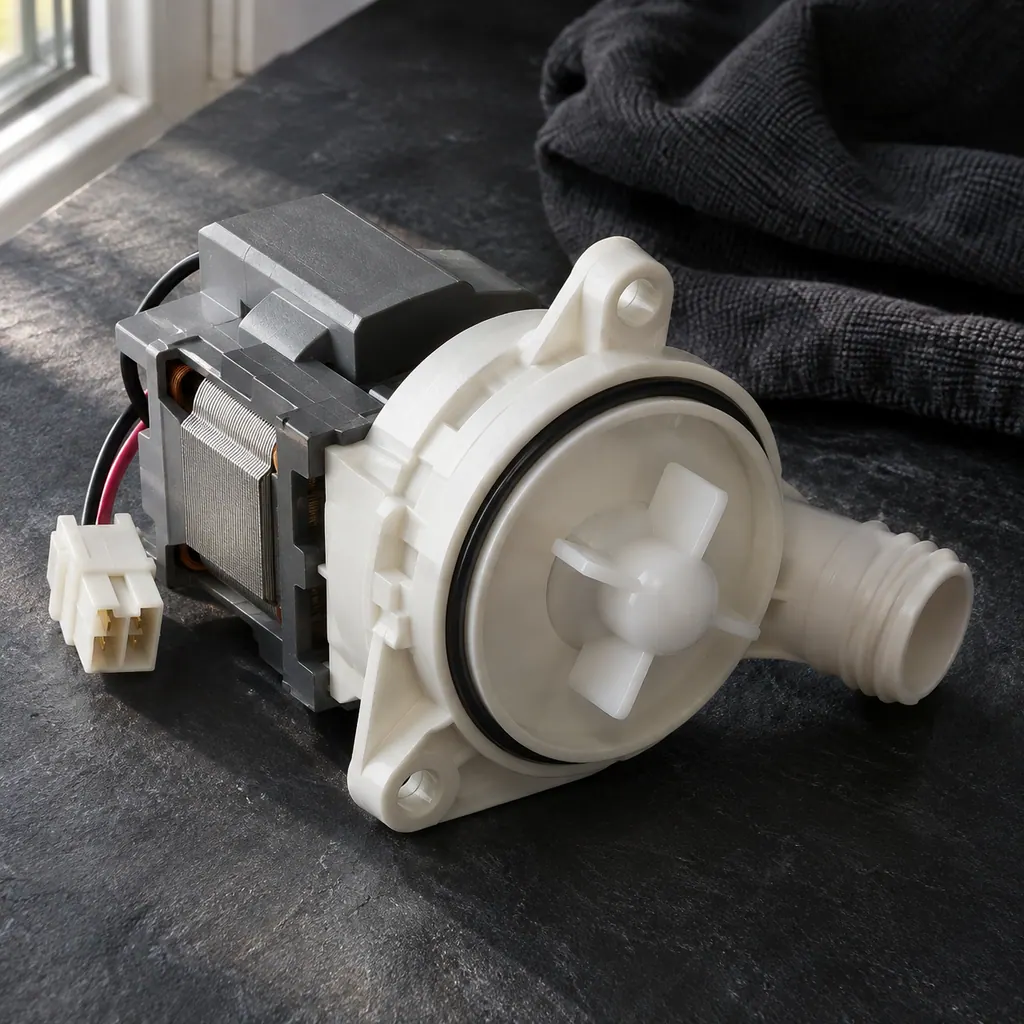
Moves used water out of the dishwasher.
F10 means the water in your dishwasher rose past the first overfill level. ASKO’s first step is to clear the drain pump. If F10 keeps coming back after that, book a technician.
F11 means your ASKO dishwasher couldn’t pump the water out. Clean the coarse and fine filters first, then clear the drain pump and check the drain hose. All three are owner jobs in the manual, done with the power off.
F12 means your dishwasher isn’t getting enough water. Make sure its water supply valve is fully open, then press any button and restart the program. If F12 returns with the valve open, book a technician.
Turn off your dishwasher’s water supply now. F40 means the inlet valve is letting water in when it should be shut. Keep the water off and call a technician.
F41 is a heater error on the DBI786 and DBI776. ASKO’s first step is the Self-cleaning program with citric acid. If F41 comes back, turn off the water, unplug the dishwasher and book a technician.
F45 points to the diverter, the part that sends wash water to the different spray arms. Run any dishwashing program once more. If F45 comes back, book a technician.
F52 asks you to clean the coarse and fine filters. Newer ASKO manuals call it a water level error, but the fix starts in the same place: clean filters, then a test program.
Turn off the water supply first, then unplug. F54 means the overflow guard found the water too high, started pumping it out and cut the supply. Keep the dishwasher off and call a technician.
F56 points to the circulation pump, which pushes wash water through the spray arms. On the DBI786 and DBI776, run one more program first. On the DBI675, the manual says to call for service straight away.
F68 points to the brushless drain pump that empties your dishwasher. Start with the same checks as F11: clean the filters, clear the pump and look at the drain hose. Call if the code comes back.
Experienced technicians assess the appliance before recommending work. OEM parts are available on order, with the correct part identified for the model.
Repairs covered by the manufacturer’s warranty go through ASKO itself. We give a warranty on our workmanship.
They explain codes side by side. You’ll find how to read and reset a dishwasher code, F11 versus F68, F10 versus F12, and the leak and overflow codes. There are also guides to the washer code families and to oven ERROR messages.
No. F11 says the water didn’t drain, and F68 points to the brushless drain pump itself. The first checks are the same for both: filters, the pump and the drain hose. Note which one your display shows.
Not by itself. A blockage can set off a pump code on a pump that works fine. Clear what you can reach first; the technician tests the pump before anything is replaced.
Because the ASKO oven manuals we hold don’t list what each number means. The guide covers what the manual does say: cut the power for a few minutes, reconnect, and call if the message returns.
Code / symptom / part / service
The DBI786 manual traces water left above the filters to four things you can check yourself: clogged or loose filters, debris in the drain pump, a missing drain pump stop, and a kinked or blocked drain hose. Unplug the dishwasher before you start.
Arrange a model-specific diagnostic at the appliance.
Office details and the access information to include.