Read the whole display
Keep the full message alongside the dryer model and drying program. A condenser appliance and a vented dryer do not share every care procedure.
Model-specific code library
The T5HXL manual uses E-series dryer messages (E0 to E9). It does not establish the meanings of the legacy F1–F4 searches, so those numbers remain undecoded in this library.
No Dryer code meanings are published here. Check the manual for your exact model.
Read the research statusMeanings vary by model; check your manual.
The T5HXL document is not evidence for an older F-code dryer. Match the model before applying cleaning or reset instructions.
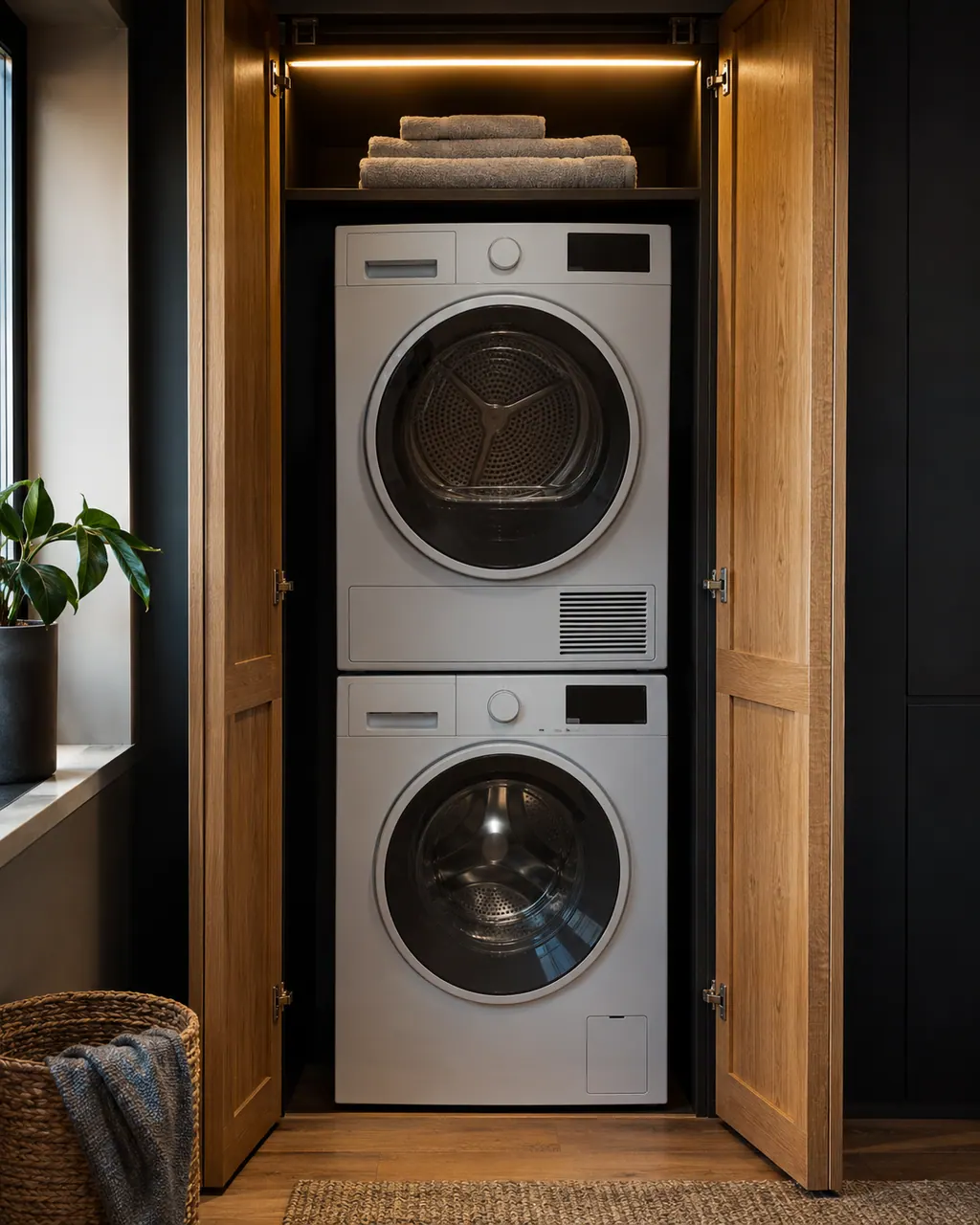
The T5HXL manual uses E-series dryer messages (E0 to E9). It does not establish the meanings of the legacy F1–F4 searches, so those numbers remain undecoded in this library.
The T5HXL document is not evidence for an older F-code dryer. Match the model before applying cleaning or reset instructions.
Keep the full message alongside the dryer model and drying program. A condenser appliance and a vented dryer do not share every care procedure.
Read the model’s lint-filter and air-path instructions. If the display calls for service, or routine owner care does not resolve the issue, leave internal sensors and wiring for a technician.
On an ASKO heat-pump dryer, check the lint filters first. When they clog, the dryer can switch its compressor off to avoid overheating, and drying slows right down. Clean both filters, let the dryer cool, then restart it.
Before you book, check three things: that the washer spun the clothes well, that the load suits the program you picked, and that both lint filters are clean. Each one can stretch a drying cycle on an ASKO dryer.
Check the lock first. On ASKO T5HXL dryers, a locked display or locked buttons can make the dryer look dead. Then check for a delayed start, confirm the dryer is switched on, and if needed switch it off for a minute and back on.
Use the instructions for your exact model. See how we research these pages.
The T5HXL document is not evidence for an older F-code dryer. Match the model before applying cleaning or reset instructions.
Photograph the complete dryer display and the model label. Include what the appliance was doing when the message appeared, rather than substituting another appliance’s explanation.
A legacy search phrase is not manufacturer evidence. Where our dryer documents do not decode the message, we keep its name and route you to help without assigning a part or cause.
Open the manufacturer documents in this dryer library and compare their cover models with your label. A different model needs its own operating instructions.